

Maine Coon Breed Characteristics
The Maine Coon is one of the largest domestic cat breeds, weighing 13 to 26 pounds (6–12 kg). Known as the "Gentle Giant," they're beloved for their dog-like friendliness and playful nature. Unusually for cats, many Maine Coons genuinely enjoy playing with water.
They take three to five years to fully mature, with an average lifespan of 10 to 15 years. Their impressive size comes with breed-specific health considerations that owners should stay on top of.
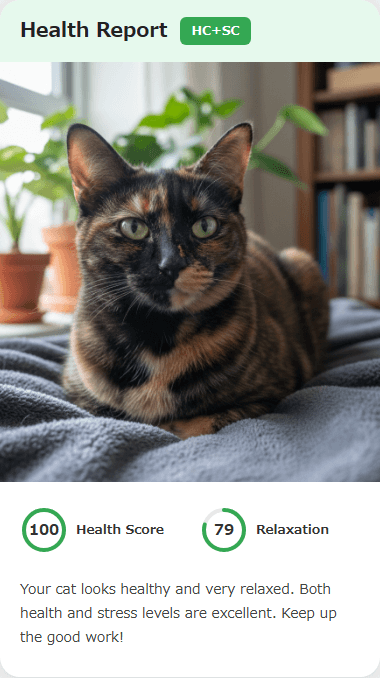

For senior cats, every day matters
Subtle changes can signal serious issues in older cats. CatsMe tracks behavior, appetite, and health scores so you can act fast.
Ponad 380 000 właścicieli kotów w 50 krajach ufa CatsMe


Common Health Issues
Hypertrophic cardiomyopathy (HCM): Maine Coons are a high-risk breed due to the MYBPC3 gene mutation. Annual cardiac ultrasounds are a must. Genetic testing is also recommended.
Spinal muscular atrophy (SMA): A breed-specific genetic disorder that causes hind-leg muscle wasting. Pre-breeding genetic screening can prevent it from being passed on.
Hip dysplasia: Affects roughly 20% of large-breed cats. It can progress into arthritis in senior cats over time.
Polycystic kidney disease (PKD): Can lead to chronic kidney disease. Early detection is possible through ultrasound.
Periodontal disease: Their large mouths need consistent dental care to prevent buildup and infection.
Setting Up Your Home for a Giant Breed
Cat tree: Choose a heavy-duty model that can support their weight. Platforms should be at least 12 inches (30 cm) wide.
Diet: High-protein food formulated for large breeds is optimal. Use our cat food guide to determine the right portion sizes for their build.
Litter box: Use an extra-large box — standard sizes often aren't big enough and your cat may hang over the edge. Review the basics of litter box management.
Exercise: Maine Coons are active and intellectually curious. Offer a variety of indoor activities like fetch, puzzle feeders, and even supervised water play.
Practical Tips & How-To: Maine Coon Care Guide
Here are practical strategies to make life with your Maine Coon rewarding for both of you.
Water play safety: For water-loving Maine Coons, provide a shallow water dish (1 to 2 inches deep) for supervised play. If you let them explore the bathtub, lay down a non-slip mat first. Always keep toilet lids closed — their fascination with water extends to every water source in the house, and toilet water poses hygiene and drowning risks.
Efficient coat care: Their long double coat demands brushing three to four times per week. A three-step process works best: slicker brush to remove loose fur and tangles, wide-tooth comb to work through the undercoat, then a finishing comb for a polished look. Our grooming guide covers technique details. During spring and fall shedding, increase to daily sessions to prevent matting.
Mental stimulation: Maine Coons are exceptionally trainable for cats. Clicker training works remarkably well — many learn to sit, high-five, come when called, and even walk on a harness. Puzzle feeders transform mealtimes from a 30-second affair into a 15-minute cognitive workout, providing mental exercise that's just as important as physical activity for this intelligent breed.
Socialization: Capitalize on their dog-like social nature by exposing them to visitors, new sounds, and varied experiences from kittenhood. A well-socialized Maine Coon handles veterinary visits, travel, and household changes with remarkably low stress compared to breeds that are more naturally reserved.
Common Misconceptions About Maine Coons
Let's debunk some common myths about Maine Coons that could lead to suboptimal care.
"They're aggressive because of their size": Despite their imposing stature, Maine Coons are remarkably gentle and patient. The "Gentle Giant" nickname is well-earned — they're typically wonderful with children, other cats, and even dogs. Aggression in a Maine Coon usually signals an underlying health issue rather than a temperament problem.
"They're wild and tough, so they rarely get sick": This misconception can be genuinely dangerous. Maine Coons carry serious genetic predispositions to HCM, SMA, and hip dysplasia — conditions that require proactive screening and management. Skipping regular health checks because your cat "seems healthy" is how preventable conditions become emergencies. Every Maine Coon should have annual cardiac screening regardless of how robust they appear.
"Daily brushing is mandatory": Three to four times per week is sufficient for most Maine Coons. Their coat texture is actually more manageable than many other longhaired breeds, with a silky quality that resists tangling better than, say, a Persian's coat. During seasonal shedding, though, daily brushing becomes necessary to manage the increased hair loss.
"They can't get enough exercise indoors": With adequate vertical space — tall cat trees, wall shelves, and elevated walkways — plus regular interactive play through indoor exercise routines, Maine Coons thrive in indoor environments. The key is providing three-dimensional space, not just floor area.
Expert Recommendations for Maine Coon Health
Here is what Maine Coon specialists recommend as the gold standard of care for this breed.
Comprehensive genetic testing: Screening for HCM (MYBPC3 mutation) and SMA is essential when acquiring from a breeder — request documentation of both parents' test results. Reputable breeders will provide these without hesitation. For rescue Maine Coons, invest in testing anyway — the cost is modest compared to the value of knowing your cat's genetic risk profile.
Cardiac screening protocol: Begin annual echocardiograms at age 2. Even if genetic testing comes back negative, continue annual screenings — the MYBPC3 test doesn't catch all forms of HCM, and environmental factors can contribute to heart disease independently of genetics. Some specialists recommend screening as early as age 1 for breeding cats.
Hip evaluation: A single hip X-ray at approximately 1 year of age provides baseline information about joint structure. If dysplasia is detected early, proactive measures — weight management, joint supplements, and environmental modifications like ramps and low-entry litter boxes — can significantly delay the progression to painful arthritis.
Dental care protocol: Maine Coons' elevated risk for periodontal disease makes daily tooth brushing the ideal, with three times weekly as the minimum. Use enzymatic cat toothpaste and introduce brushing gradually. Professional dental cleanings under anesthesia once a year help address areas that home brushing can't reach.
CatsMe Health Tracking for Maine Coons
Maine Coons have more complex health management requirements than most breeds. CatsMe helps you organize and consistently execute every aspect of their care.
Growth tracking: Because Maine Coons take 3 to 5 years to fully mature, monthly weight recordings and periodic photos are invaluable for charting their growth curve. A sudden plateau or unexpected weight loss during the growth period can signal nutritional deficiencies, parasites, or emerging health issues that deserve veterinary attention.
Cardiac screening schedule: Log each annual echocardiogram result in CatsMe. When your cardiologist can compare this year's heart wall measurements to a multi-year baseline, subtle thickening becomes detectable at a stage where intervention is most effective. The app's reminder function ensures you never accidentally skip a year.
Joint status monitoring: Regularly note observations about jumping height and frequency, stair usage, and willingness to climb the cat tree. Joint problems in large breeds are insidiously gradual — without data to reference, owners typically don't notice decline until the cat is in significant pain. A CatsMe entry that says "stopped jumping to top shelf this month" is exactly the kind of early signal that triggers timely veterinary evaluation.
Dental care log: Track brushing frequency and your cat's response to oral care. Notes about changes in breath odor, bleeding gums, or reluctance to eat hard food provide your veterinarian with actionable diagnostic information during dental consultations.
Czy potrafisz odpowiedzieć na pytanie: od kiedy to trwa?
Gdy weterynarz zapyta, nie zostawaj bez odpowiedzi. CatsMe automatycznie rejestruje codzienne wyniki zdrowotne, które możesz udostępnić jednym dotknięciem.
メインクーン猫種心臓病大型猫遺伝性疾患
FAQ
 CatsMe
Bądź gotowy do działania, gdy poczujesz, że coś jest nie tak
Wystarczy jedno zdjęcie — SI odczytuje ból i stan zdrowia z wyrazu pyszczka kota. Sprawdź w chwili niepokoju i udostępnij zapis weterynarzowi.