

What Happened: Go Raw LLC Issues Voluntary Recall of Quest Cat Food
In early 2026, Go Raw LLC issued a voluntary recall of its Quest Cat Food Chicken Recipe after the U.S. Food and Drug Administration (FDA) flagged the product for containing dangerously low levels of thiamine (Vitamin B1). The recall affects products distributed across more than 20 states in the United States, making this one of the most significant pet food safety events of the year.
Thiamine is an essential B vitamin that cats cannot produce on their own — they must get it entirely from their diet. When a commercial cat food fails to meet the minimum thiamine requirement set by the Association of American Feed Control Officials (AAFCO), it poses a serious and potentially life-threatening risk to every cat that eats it.
The FDA alert was triggered after routine testing revealed that the thiamine content in specific batches of Quest Chicken Recipe fell well below the AAFCO minimum. While Go Raw LLC has not reported confirmed fatalities at the time of the recall, thiamine deficiency in cats can progress rapidly from subtle appetite changes to severe neurological damage within just a few weeks.
This recall is a reminder that even well-marketed, seemingly premium pet foods can have quality control failures. Cat owners should take this alert seriously, check their pantries immediately, and understand that pet food recalls — while disruptive — are a critical safety mechanism designed to protect our cats from harm.
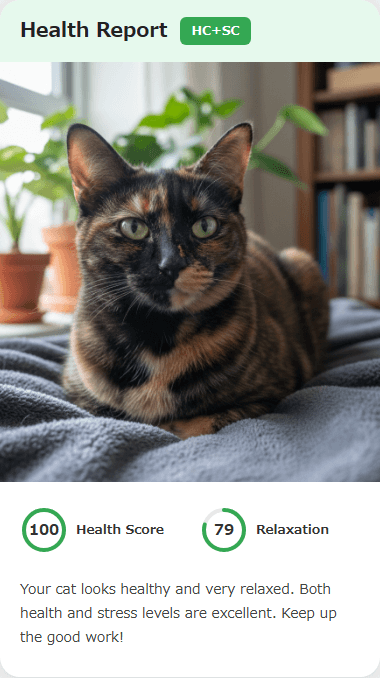

Catch problems before they start
Daily health tracking makes early detection possible. CatsMe logs changes automatically so small shifts don't slip past you.
Ponad 380 000 właścicieli kotów w 50 krajach ufa CatsMe


Which Products Are Affected: Lot Numbers and How to Identify Them
The recall specifically targets Quest Cat Food Chicken Recipe manufactured by Go Raw LLC. The affected lot numbers include MCD25350 and MCC25321, though cat owners should check the FDA's recall page for the most current and complete list, as additional lots may be added as the investigation continues.
To identify whether your cat's food is affected, check the packaging for the following information:
Where to find the lot number: Look on the bottom or back of the bag. The lot number is typically printed near the "Best By" or expiration date. It may be stamped in ink or embossed into the packaging material.
Key identifiers to look for:
- Brand name: Quest Cat Food
- Specific recipe: Chicken Recipe
- Lot numbers: MCD25350, MCC25321 (and any subsequently added lots)
- Manufacturer: Go Raw LLC
Where these products were sold: Quest Cat Food Chicken Recipe was distributed through pet specialty retailers, online marketplaces, and independent pet stores across more than 20 states. If you purchased this product from any retailer — whether in-store or online — your batch may be affected.
What to do with recalled product: Do not continue feeding it to your cat. Seal the bag and set it aside (do not throw it away yet — you may need the packaging for a refund or if your cat develops symptoms). Contact the retailer where you purchased it for a refund or exchange. You can also contact Go Raw LLC directly through the contact information listed on the FDA recall notice.
If you are unsure whether your product is affected, err on the side of caution and stop feeding it until you can verify the lot number.
Thiamine Deficiency in Cats: Why It's Dangerous
Thiamine (Vitamin B1) plays a fundamental role in a cat's nervous system and energy metabolism. Unlike some animals that can synthesize certain vitamins internally, cats are entirely dependent on dietary thiamine. This makes them uniquely vulnerable when their food supply is compromised.
When thiamine levels drop below what a cat's body needs, the effects cascade through multiple organ systems, with the brain and nervous system bearing the brunt of the damage. Here is what happens as deficiency progresses:
Early symptoms (within 1-2 weeks):
- Loss of appetite or reduced interest in food
- Mild lethargy and decreased activity
- Occasional vomiting
- Subtle weight loss that may go unnoticed
Intermediate symptoms (2-3 weeks):
- Noticeable weight loss
- Increased vomiting frequency
- Walking difficulties or an unsteady gait
- A characteristic head-tilt or neck ventroflexion (the cat's head drops toward its chest and it cannot lift it normally)
Severe symptoms (3-4+ weeks without treatment):
- Seizures and convulsions
- Dilated, unresponsive pupils
- Coma
- Death — thiamine deficiency can be fatal within weeks if not treated
The critical thing for cat owners to understand is that early-stage thiamine deficiency looks like many other common illnesses. A cat that is "just not eating well" or "seems a little off" could already be in the early stages of a dangerous deficiency. If your cat has been eating a recalled product and shows any of these signs, this is not a "wait and see" situation — contact your veterinarian immediately.
The good news is that when caught early, thiamine deficiency is highly treatable with B1 supplementation, typically through injections followed by oral supplements.
What to Do If Your Cat Ate Recalled Food
If you have identified that your cat has been eating the recalled Quest Cat Food Chicken Recipe, take these steps immediately:
Step 1: Stop feeding the recalled product right away. Switch to a different, reputable cat food. If you do not have an alternative on hand, plain cooked chicken (no seasoning, no bones) can serve as a temporary meal for a day or two while you source a proper replacement.
Step 2: Observe your cat closely for symptoms. Watch for any of the thiamine deficiency signs discussed above: appetite loss, vomiting, lethargy, unsteady walking, head tilt, or seizures. Keep a written or digital log of what you observe and when — this information will be invaluable to your veterinarian.
Step 3: Contact your veterinarian. Even if your cat appears healthy, call your vet to discuss the situation. They may recommend a precautionary visit, blood work, or thiamine supplementation as a preventive measure. If your cat is already showing neurological symptoms (seizures, inability to walk, head ventroflexion), this is a veterinary emergency — go to the nearest animal hospital immediately.
Step 4: Save the packaging. Keep the bag, including the lot number, UPC code, and any receipts. You will need this information for refund claims and potentially for the FDA if your cat develops health issues.
Step 5: Report to the FDA. If your cat shows symptoms after eating the recalled food, file a complaint through the FDA's Safety Reporting Portal (safetyreporting.hhs.gov) or contact your state's department of agriculture. These reports help the FDA track the scope of the problem and protect other cats.
Step 6: Track recovery with CatsMe. Use the CatsMe app to log your cat's appetite, energy levels, and behavior daily. This creates an objective record that helps your veterinarian assess whether your cat is recovering normally or needs further intervention.
Home Care & Practical Tips: Supporting Recovery from Thiamine Deficiency
If your cat has been eating recalled food and your veterinarian has initiated treatment, home care during recovery plays an important role in restoring your cat's health. Thiamine deficiency recovery requires patience and attentive monitoring over several weeks.
Nutritional recovery basics:
- Transition to a veterinarian-approved, high-quality diet that meets AAFCO complete nutrition standards for cats. Your vet may recommend a specific brand known for consistent quality control
- For cats with reduced appetite during recovery, try warming wet food slightly to enhance aroma and palatability. Cats recovering from neurological symptoms may be reluctant to eat normally at first
- Consider adding a veterinary B-complex supplement as directed by your vet to replenish depleted stores faster. Do not self-dose — thiamine supplementation should be guided by your veterinarian based on blood levels
- Ensure fresh water is always available, and consider a water fountain to encourage adequate hydration during recovery
Monitoring recovery milestones:
- Days 1-3 after treatment starts: Appetite improvement is typically the first positive sign. Energy levels may still be low
- Days 3-7: Neurological symptoms such as head tilt and unsteadiness should begin improving. Appetite should be near normal
- Weeks 1-2: Most cats show significant improvement in coordination and alertness. Continue monitoring closely
- Weeks 2-4: Full recovery expected for cats caught early. Cats with severe neurological involvement may take longer and some may retain minor deficits
Red flags requiring immediate vet contact:
- Seizures at any point during recovery — this may indicate the deficiency was more severe than initially assessed
- Worsening head tilt or loss of balance after initial improvement
- Complete refusal to eat or drink for more than 24 hours
- Rapid breathing or open-mouth breathing
Document everything for your veterinarian:
Use CatsMe to log daily appetite levels, energy, mobility, and any neurological symptoms. This objective record helps your vet assess whether recovery is progressing normally or additional intervention is needed. Photo and video records are especially valuable for tracking neurological improvement.
Prevention & Long-Term Management: Building a Food Safety System
A single recall event can serve as a wake-up call to build a more robust food safety system for your cat. Rather than relying on luck, create systematic habits that protect your cat from nutritional risks year-round.
Establish a food rotation protocol:
Feeding only one brand and one formula creates concentrated risk — if that specific product has a quality issue, your cat has no nutritional backup. Discuss with your veterinarian whether rotating between two or three trusted, AAFCO-compliant brands is appropriate for your cat. Rotate gradually over 7-10 days to avoid digestive upset. Keep notes on which foods your cat tolerates well so you always have tested alternatives available.
Create a food safety monitoring routine:
- When opening a new bag or can, note the lot number, expiration date, and purchase date
- Take a photo of the packaging barcode and lot number — store it in your phone or CatsMe app for quick reference if a recall is announced
- Inspect food visually and by smell before each feeding. Unusual color, texture, or odor may indicate a quality problem even before a formal recall
- Set a monthly calendar reminder to check the FDA recall database and your brand's safety page
Understanding food quality indicators beyond AAFCO:
- Look for brands that conduct their own feeding trials, not just formulation-based compliance
- Research whether the manufacturer owns its production facilities or outsources to co-packers (companies that manufacture their own food tend to have better quality control)
- Check if the brand employs full-time veterinary nutritionists
- Examine the company's recall history — a brand that has never had a recall is not necessarily safer than one that caught and addressed a problem quickly and transparently
Build a 2-week emergency food reserve:
Keep at least two weeks of an alternative food your cat has successfully eaten before. Store it properly (sealed, cool, dry) and rotate stock before expiration. This reserve means you are never forced to feed a product you are uncertain about during a recall event.
When to be skeptical of marketing claims:
Terms like "natural," "holistic," "human-grade," and "premium" have no regulated definitions in pet food labeling. Focus on the AAFCO nutritional adequacy statement, the guaranteed analysis, and the ingredient list — not marketing buzzwords on the front of the package.
Age-Specific Vulnerability to Thiamine Deficiency
Thiamine deficiency does not affect all cats equally. Understanding which cats are most vulnerable helps you prioritize monitoring and take faster action when a recall occurs.
Kittens (under 1 year) — Highest vulnerability:
Kittens are growing rapidly and have higher metabolic demands relative to their body size. Their thiamine reserves are smaller, and depletion occurs faster than in adults. A kitten eating a thiamine-deficient diet may show symptoms in as few as 5-7 days, compared to 1-2 weeks in adults. Neurological damage in developing brains can be more severe and potentially irreversible. If your kitten has been eating recalled food, seek veterinary attention immediately — do not wait for symptoms to appear.
Senior cats (10+ years) — Reduced resilience:
Older cats often have reduced nutrient absorption efficiency and may already have compromised liver or kidney function. These factors mean that even a modest thiamine shortfall has a proportionally greater impact. Senior cats on medications that affect liver metabolism may be especially susceptible. Regular blood work that includes B-vitamin levels provides an additional safety net for aging cats.
Cats with pre-existing conditions:
- Cats with inflammatory bowel disease (IBD) or chronic gastrointestinal issues already absorb nutrients less efficiently and are therefore more vulnerable to dietary deficiencies
- Cats with liver disease have impaired thiamine metabolism and storage
- Cats on certain medications (particularly diuretics) may have increased thiamine excretion
- Hyperthyroid cats have elevated metabolic rates that increase thiamine requirements
Multi-cat households face amplified risk:
When one bag of recalled food is shared among multiple cats, all are potentially affected simultaneously. Younger, older, and medically fragile cats in the household will show symptoms first and most severely. If you identify recalled food in a multi-cat home, have all cats examined by your veterinarian — even those that appear healthy — and begin alternative feeding immediately.
Proactive steps for vulnerable cats:
Feed high-quality, AAFCO-compliant food from manufacturers with strong quality control records. Consider keeping a B-complex supplement on hand (use only under veterinary guidance). Track daily appetite and behavior with CatsMe so deviations from baseline are caught within the first 24-48 hours rather than after damage has progressed.
How to Choose Safe Cat Food and Stay Informed
Pet food recalls happen more often than most cat owners realize. The best way to protect your cat is to stay informed and know how to evaluate the food you buy. Here are practical strategies:
Check recall databases regularly. Bookmark these resources and check them at least monthly:
- FDA Pet Food Recalls & Withdrawals (fda.gov/animal-veterinary/safety-health)
- AVMA Pet Food Safety page
- Your cat food brand's own recall/safety page
Understand AAFCO standards. Look for the AAFCO nutritional adequacy statement on your cat food label. This statement confirms that the food meets minimum nutritional requirements for cats. Foods that say "formulated to meet AAFCO Cat Food Nutrient Profiles" have been formulated (but not necessarily tested), while "animal feeding tests using AAFCO procedures" indicates the food has been through feeding trials — a higher standard.
Learn to read nutrition labels. Beyond the AAFCO statement, check the ingredient list, guaranteed analysis, and the manufacturer's contact information. Reputable manufacturers are transparent about where their ingredients are sourced and how their products are tested.
Diversify your cat's diet when appropriate. Feeding the same single product exclusively means that if that product has a quality issue, your cat has no nutritional safety net. Discuss with your vet whether rotating between two or three trusted brands might be appropriate for your cat.
Use technology to monitor your cat's health. Subtle changes in appetite, energy, and behavior can be the earliest warning signs that something is wrong with your cat's food — often before a recall is even announced. The CatsMe app helps you track these daily patterns so you can spot deviations early and act before symptoms progress.
Download CatsMe →
Czy potrafisz odpowiedzieć na pytanie: od kiedy to trwa?
Gdy weterynarz zapyta, nie zostawaj bez odpowiedzi. CatsMe automatycznie rejestruje codzienne wyniki zdrowotne, które możesz udostępnić jednym dotknięciem.
cat food recallキャットフード リコールthiamine deficiencyチアミン欠乏pet food safety 2026
FAQ
 CatsMe
Bądź gotowy do działania, gdy poczujesz, że coś jest nie tak
Wystarczy jedno zdjęcie — SI odczytuje ból i stan zdrowia z wyrazu pyszczka kota. Sprawdź w chwili niepokoju i udostępnij zapis weterynarzowi.