

The Bottom Line: Sudden Hind-Leg Paralysis with Cold Paws Is an Emergency — Minor Sprains Can Wait Until the Same Day
Limping in cats can range from a minor sprain to arterial thromboembolism (ATE), a life-threatening clot. If both hind legs suddenly stop working, your cat is crying out in pain, and the paw pads feel cold and appear pale or bluish, ATE is likely — and every hour counts. This is an absolute emergency. On the other hand, if your cat is only slightly favoring one leg but is still eating and alert, a same-day veterinary visit is usually sufficient.
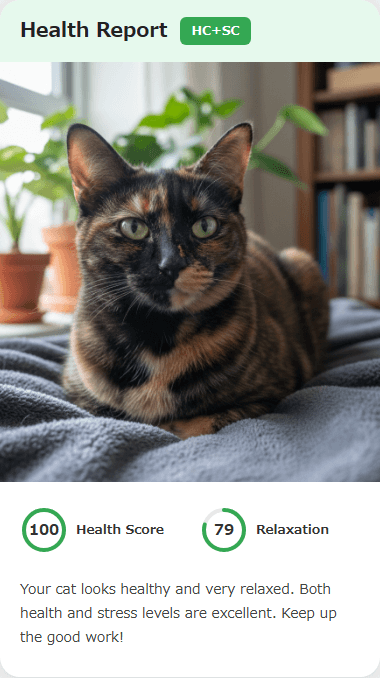

Worried about these symptoms?
Don't wait and wonder. CatsMe's AI analyzes your cat's photo to flag health concerns in seconds.
Ponad 380 000 właścicieli kotów w 50 krajach ufa CatsMe


Common Causes of Limping in Cats
Sprains and bruises: These typically result from a failed jump or a tumble during play. The cat may flinch when the area is touched, but most mild sprains resolve within one to three days.
Fractures: Traffic accidents and high-rise falls ("high-rise syndrome") are common causes. An open fracture — where the bone breaks through the skin — requires emergency surgery.
Arthritis (osteoarthritis): Most common in senior cats. Lameness tends to worsen in the morning or on cold days and follows a chronic pattern.
Arterial thromboembolism (ATE): Caused by heart disease — particularly hypertrophic cardiomyopathy — a blood clot lodges in the arteries supplying the hind legs. The result is sudden paralysis, intense pain and vocalizing, and cold, purplish paw pads.
Claw or paw pad injuries: A broken claw or a foreign object embedded in the paw pad can also cause a cat to limp.
Home Urgency Assessment
Follow these steps to gauge urgency:
1. Can you touch the affected leg? If the cat is in too much pain to let you near it or the bone looks deformed, suspect a fracture — go to the emergency vet.
2. How do the paw pads feel? If they are cold and discolored (white or bluish-purple), suspect ATE — rush to the emergency vet immediately.
3. Can the cat use all four legs? If both hind legs are paralyzed, suspect ATE or spinal disease — this is urgent.
4. Is the cat eating and alert? If appetite and energy are normal and the cat can put some weight on the leg, a same-day or next-day vet visit is appropriate.
5. Are there wounds on the claws or paw pads? Bleeding or a foreign body means the cat needs treatment.
Veterinary Diagnosis and Treatment
X-rays, ultrasound, and blood tests form the basic diagnostic workup. Fractures are managed with external fixation (casts or splints) or surgery (bone plates and intramedullary pins).
For ATE, treatment within 6 hours of onset is critical to survival. Thrombolytics, antiplatelet drugs, pain medication, and IV fluids are used, but long-term management of the underlying heart disease is essential.
Chronic arthritis responds well to NSAIDs (such as robenacoxib), joint supplements (glucosamine, EPA), acupuncture, and physical rehabilitation.
First Aid You Can Do at Home — and Critical Mistakes to Avoid
Before heading to the vet, there are a few things you can do at home to stabilize your cat — and several things you must absolutely avoid.
Safe First Aid Steps:
- Restrict movement immediately. Place the cat in a small room, a carrier, or a confined area to prevent it from jumping, climbing, or further injuring the affected limb. Continued activity on a fractured leg can worsen displacement and cause soft tissue damage.
- Examine the paw pads gently. With good lighting, check for visible wounds, embedded foreign objects (glass, thorns), broken claws, or swelling. If you find a foreign body protruding from the pad, do not attempt to remove it — you may cause additional damage or uncontrollable bleeding. Cover it lightly with gauze and get to the vet.
- Check paw temperature and color. Cold, pale, or bluish-purple paw pads are hallmarks of arterial thromboembolism (ATE) and require immediate emergency care. Warm, pink pads generally rule out ATE.
- Apply a cold compress for swelling. Wrap an ice pack in a thin towel and hold it against the swollen area for 5 to 10 minutes. Never apply ice directly to the skin.
- Offer water but do not force food. A cat in pain may refuse to eat, and that is acceptable short-term. Hydration matters more in the immediate aftermath of injury.
Critical Mistakes to Avoid:
- Never give human pain medication. Acetaminophen (Tylenol) is lethal to cats. Ibuprofen and aspirin are also extremely dangerous. Even a single dose can cause fatal liver or kidney failure.
- Do not attempt to set or splint a fracture yourself. An improperly placed splint can cut off circulation and cause tissue death. Leave splinting to a veterinarian.
- Do not massage a limb you suspect has a blood clot (ATE). Manipulation will not dislodge the clot and may cause the cat extreme pain.
- Do not delay if both hind legs are affected. Bilateral hind limb paralysis with cold paws is a medical emergency with a narrow treatment window — every hour counts.
Age-Specific Limping Risks and Conditions to Consider
The most likely cause of limping varies significantly depending on your cat's age. Understanding these patterns helps you communicate more effectively with your veterinarian and can speed up the diagnostic process.
Kittens and Young Cats (Under 2 Years)
In young cats, limping is most commonly caused by play-related injuries — sprains, minor fractures from misjudged jumps, or paw pad cuts from exploring. However, do not dismiss limping in a kitten as automatically minor. Bone infections (osteomyelitis) from bite wounds, congenital joint abnormalities, and growth plate injuries can all occur in this age group. Young cats are also at risk of high-rise syndrome — falls from windows or balconies that can cause severe fractures and internal injuries.
Adult Cats (2 to 10 Years)
Adult cats with outdoor access are at the highest risk for bite-wound abscesses that cause sudden lameness, usually accompanied by fever and swelling. Traffic accidents resulting in fractures or pelvic injuries are another major cause. Indoor adults may develop limping from nail bed infections, ingrown claws (especially dewclaws that are never worn down naturally), or repetitive strain from jumping on and off high furniture. Importantly, adult cats with undiagnosed heart disease — particularly hypertrophic cardiomyopathy — are the population most at risk for arterial thromboembolism.
Senior Cats (10 Years and Older)
Osteoarthritis is overwhelmingly the leading cause of chronic limping in senior cats. Studies suggest that over 90 percent of cats aged 12 and older have radiographic evidence of degenerative joint disease, even though many owners never realize their cat is in pain. Signs are often subtle: reluctance to jump onto counters, stiffness after napping, difficulty entering a high-sided litter box, or reduced grooming of the lower back and hindquarters. If your senior cat seems "slowing down," do not accept it as normal aging — a veterinary evaluation and pain management plan can dramatically improve quality of life. Learn more about managing this condition in our senior cat arthritis guide.
For cats of all ages, limping that persists beyond 48 hours without improvement warrants veterinary evaluation, even if the cat is still eating and behaving relatively normally.
Rehabilitation and Recovery Care After Leg Injuries
Once the acute phase is managed — whether through surgery, splinting, or medication — the recovery process plays a crucial role in determining your cat's long-term mobility and comfort.
Post-Surgical Recovery (Fractures and Orthopedic Surgery)
Strict cage rest or confinement to a single small room is typically required for four to eight weeks after orthopedic surgery. This prevents the cat from jumping or running before bones and soft tissues have healed. Use a large crate or a small bathroom, with food, water, and a low-entry litter box inside. Follow-up X-rays at two, four, and six weeks are standard to confirm proper bone healing.
Physical Rehabilitation Techniques
Veterinary rehabilitation — sometimes called animal physiotherapy — is increasingly available and can significantly speed recovery. Common modalities include:
- Passive range-of-motion (PROM) exercises: The therapist gently moves the affected joint through its natural arc to prevent stiffness and adhesion formation.
- Therapeutic laser therapy: Low-level laser promotes tissue repair and reduces inflammation.
- Hydrotherapy: Underwater treadmill walking provides low-impact exercise that builds muscle without stressing healing bones.
- Massage and manual therapy: Reduces muscle tension and improves circulation around the injury site.
Managing Chronic Arthritis at Home
For senior cats with ongoing osteoarthritis, environmental modifications make daily life significantly easier:
- Replace high-sided litter boxes with low-entry alternatives or cut a U-shaped opening in the front wall.
- Add ramps or pet stairs to furniture the cat previously accessed by jumping.
- Provide heated beds or thermal mats — warmth eases joint stiffness, especially overnight and in winter.
- Maintain a healthy weight — every extra gram puts additional stress on already compromised joints.
- Discuss long-term pain management with your vet. Newer feline-specific NSAIDs, monoclonal antibody therapies (such as frunevetmab), and joint supplements containing omega-3 fatty acids and glucosamine can all contribute to a multimodal pain management plan.
Recovery is not just about the body — it is also about confidence. A cat that has experienced a painful leg injury may become fearful of jumping or playing. Encourage gentle, low-impact activity and celebrate small victories as your cat gradually returns to normal movement.
Get a Home Visit from Carelogy for In-Home Examination
Transporting a cat with a fracture, arthritis, or other painful leg condition to a clinic can cause significant stress and pain. With Carelogy's home-visit veterinary service, a vet comes to your home to examine your cat, perform initial treatment, and prescribe pain medication. Home visits are especially convenient for chronic arthritis pain management and post-surgical rehabilitation follow-ups. Start with an online or phone consultation to arrange a visit.
Czy potrafisz odpowiedzieć na pytanie: od kiedy to trwa?
Gdy weterynarz zapyta, nie zostawaj bez odpowiedzi. CatsMe automatycznie rejestruje codzienne wyniki zdrowotne, które możesz udostępnić jednym dotknięciem.
びっこ跛行骨折動脈血栓猫の足
FAQ
References
This article is compiled and summarized by the Carelogy editorial team based on publicly available information from the following veterinary organizations, universities, and clinical manuals.
- AAFP. AAFP Senior Care Guidelines (2021).
- Cornell Feline Health Center. Arthritis in Cats — Feline Health Topics (2018).
- MSD Veterinary Manual. Disorders of the Bones, Joints, and Muscles of Cats (2023).
- Bennett D, et al. (Journal of Feline Medicine and Surgery). Osteoarthritis in the cat: how common is it and how easy to recognise? (2012).
 CatsMe
Bądź gotowy do działania, gdy poczujesz, że coś jest nie tak
Wystarczy jedno zdjęcie — SI odczytuje ból i stan zdrowia z wyrazu pyszczka kota. Sprawdź w chwili niepokoju i udostępnij zapis weterynarzowi.