

The Bottom Line: Losing 10 % of Body Weight in a Month Is a Medical Red Flag
If your cat has lost 10 % or more of its body weight within a single month, the odds of a serious underlying disease are high. In a 4 kg (8.8 lb) cat, that means a drop of just 400 grams — barely noticeable by eye but medically significant. The most common culprits include hyperthyroidism, diabetes mellitus, chronic kidney disease, and cancer (particularly gastrointestinal lymphoma).
One of the trickiest aspects of feline weight loss is that cats wear a fur coat that hides changes in body condition. You may not realize your cat is thinner until you pick it up and feel how light it has become, or until a vet places it on a scale during a routine visit. This is why monthly home weigh-ins are so valuable — they catch gradual declines that the eye misses. Early blood work to identify the cause is the single most important step you can take: the sooner a disease is diagnosed, the more treatment options remain available and the better the long-term outcome.
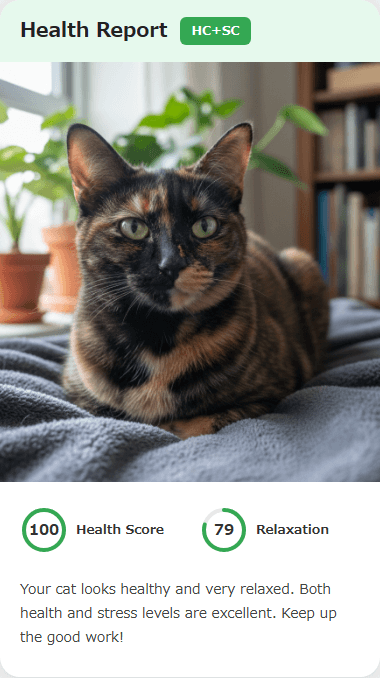

Worried about these symptoms?
Don't wait and wonder. CatsMe's AI analyzes your cat's photo to flag health concerns in seconds.
Ponad 380 000 właścicieli kotów w 50 krajach ufa CatsMe


Common Causes of Weight Loss in Cats
Weight loss in cats falls into two broad patterns, and knowing which one fits your cat helps narrow the diagnosis.
Eating well but still losing weight
- Hyperthyroidism: The most common endocrine disease in cats over 8 years. An overactive thyroid gland revs up metabolism so much that the cat burns calories faster than it can consume them. Classic signs: ravenous appetite, weight loss, restlessness, and a rapid heart rate.
- Diabetes mellitus: The body cannot move blood sugar into cells for energy, so muscles and fat are broken down instead. Watch for increased thirst and frequent urination alongside weight loss.
- Malabsorption disorders: Inflammatory bowel disease (IBD), chronic pancreatitis, and exocrine pancreatic insufficiency prevent proper nutrient absorption, so food passes through without being fully utilized.
Eating less and losing weight
- Chronic kidney disease (CKD): Toxin buildup causes nausea, appetite loss, and dehydration. Increased water intake is often the first clue.
- Dental disease: Painful teeth, gum inflammation, or oral tumors make chewing agonizing. Cats may approach the food bowl with interest but walk away after a tentative bite.
- Cancer: Gastrointestinal lymphoma and other malignancies cause progressive weight loss, often accompanied by lethargy and declining activity.
- Chronic stress: A multi-cat household, territorial conflict, or persistent environmental disruption can suppress appetite enough to cause gradual wasting.
Home Monitoring Checklist
Keeping a simple health diary dramatically improves the quality of information you can give your vet. Track these five areas:
1. Weight trend. Weigh your cat monthly on the same scale, under the same conditions (e.g., before breakfast). The easiest home method: step on a bathroom scale holding your cat, then weigh yourself alone, and subtract. Record each reading so you can spot a downward trend early.
2. Appetite and eating behavior. Is your cat eating the same amount as before? Does it approach food eagerly but then walk away? Has the speed of eating changed? These details point the vet toward different diagnoses.
3. Water intake. A sudden increase in drinking — especially if the water bowl empties faster than usual or your cat starts drinking from unusual sources (faucets, toilets) — suggests kidney disease, diabetes, or hyperthyroidism.
4. Litter-box output. Monitor both urine (clump size and frequency) and stool (consistency, color, frequency). Diarrhea and increased urination are important diagnostic clues.
5. Behavior and activity. Has your cat stopped jumping to favorite perches? Is it sleeping more? Vomiting or hiding? Subtle behavior shifts often precede visible weight loss.
The CatsMe app adds a technological layer: its facial-analysis AI can detect pain and discomfort indicators before they are obvious to the human eye, giving you an early warning even between weigh-ins.
When to See the Vet: Warning Signs
Do not wait for dramatic changes. Contact your vet if you observe any of the following:
- A loss of 10 % or more of body weight within a month (e.g., a 4 kg cat dropping to 3.6 kg or below).
- Eating normally yet continuing to lose weight — this almost always indicates a metabolic or malabsorption disease.
- A noticeable increase in water consumption, which is a hallmark of kidney disease, diabetes, and hyperthyroidism.
- Recurring vomiting or diarrhea, which impair nutrient absorption and accelerate weight loss.
- Dull, dry, or unkempt coat — when a cat stops grooming properly, it usually means the cat does not feel well.
- Decreased energy or withdrawal — a cat that no longer plays, hides more than usual, or seems disinterested in its environment.
Carelogy's online veterinary service is a convenient first step. Share your weight log, photos, and observations, and a licensed vet will advise whether watchful waiting, dietary changes, or an urgent in-clinic exam with blood work is the right next move.
What the Vet Will Do: Diagnostic Workup & Costs
When a cat presents with unexplained weight loss, the vet follows a logical diagnostic ladder.
Comprehensive blood panel (¥5,000–¥15,000 / $40–$120). This single test checks thyroid hormone (T4) for hyperthyroidism, blood glucose for diabetes, BUN and creatinine for kidney function, and liver enzymes. In many cases, blood work alone identifies the problem.
Urinalysis (¥2,000–¥5,000 / $15–$40). Urine specific gravity reveals how well the kidneys are concentrating urine (dilute urine suggests CKD), and urine glucose confirms diabetic spillover.
Imaging — X-rays and ultrasound (¥5,000–¥15,000 / $40–$120). Radiographs show organ size, masses, and fluid. Abdominal ultrasound provides a detailed look at individual organs and intestinal wall thickness, which is crucial for suspecting IBD or lymphoma.
Endoscopy and biopsy (¥30,000–¥80,000 / $250–$650). If IBD or gastrointestinal lymphoma is suspected, tissue samples from the stomach and intestines provide a definitive diagnosis. This requires general anesthesia.
Budget ¥10,000–¥30,000 for the initial visit with basic diagnostics. When advanced imaging or biopsy is needed, costs may reach ¥50,000–¥100,000. The silver lining: early detection often means the disease can be managed with medication alone — far less expensive than treating an advanced condition.
Age-Specific Considerations: Young Cats vs. Seniors
The most likely cause of weight loss depends heavily on the cat's age, so vets use age as a key filter when building a diagnostic plan.
Kittens and young cats (under 3 years)
Intestinal parasites — roundworms, tapeworms, and coccidia — are a common cause of poor weight gain and weight loss in young cats. Feline infectious peritonitis (FIP), though less common, causes devastating weight loss in kittens and young adults. Food allergies and stress from rehoming or multi-cat dynamics should also be considered.
Adult cats (3–7 years)
Inflammatory bowel disease (IBD) often begins to manifest in this age range, causing intermittent vomiting, diarrhea, and progressive weight loss. Diabetes mellitus is increasingly common, especially in overweight, indoor cats. Chronic pancreatitis — often occurring alongside IBD (a condition sometimes called "triaditis" when the liver is also involved) — is another hidden calorie thief.
Senior cats (7+ years)
Hyperthyroidism is the single most common cause of weight loss in older cats — and one of the most treatable. Chronic kidney disease follows close behind, with appetite and weight declining as toxins build up in the bloodstream. Gastrointestinal lymphoma becomes more prevalent with age and can be difficult to distinguish from IBD without biopsy. Twice-yearly blood panels are the gold standard for catching these diseases early in seniors.
Prevention & Long-Term Management
Weight loss is easier to manage — and far less costly to treat — when caught early. Build these habits into your routine.
Consistent weight monitoring
- Weigh your cat monthly under identical conditions (same scale, same time of day, before feeding). Log every number — a spreadsheet or note on your phone is fine.
- A trend line is more valuable than any single number. A steady decline of 50–100 g per month is just as concerning as a sudden drop.
- Supplement weighing with the CatsMe app's daily facial analysis for continuous, low-effort monitoring between weigh-ins.
Nutritional planning
- Feed an age-appropriate, high-quality diet. Kittens need calorie-dense growth formulas; adults need maintenance portions; seniors benefit from highly digestible, protein-rich foods that support kidney and muscle health.
- If your cat needs to lose weight, do it gradually under veterinary guidance — rapid weight loss in an overweight cat can trigger hepatic lipidosis.
- Transition between foods over seven to ten days to avoid GI upset.
Proactive veterinary care
- Annual blood work for adult cats; twice-yearly panels for cats 7 and older. Include thyroid hormone (T4) testing from age 7 onward.
- Annual dental exams prevent dental disease from silently undermining your cat's ability to eat.
- Do not assume weight loss is "just aging." The majority of conditions behind feline weight loss — hyperthyroidism, diabetes, kidney disease, IBD — are treatable, especially when diagnosed before they become advanced.
Czy potrafisz odpowiedzieć na pytanie: od kiedy to trwa?
Gdy weterynarz zapyta, nie zostawaj bez odpowiedzi. CatsMe automatycznie rejestruje codzienne wyniki zdrowotne, które możesz udostępnić jednym dotknięciem.
体重減少痩せた甲状腺猫の病気
Related Symptoms
FAQ
 CatsMe
Bądź gotowy do działania, gdy poczujesz, że coś jest nie tak
Wystarczy jedno zdjęcie — SI odczytuje ból i stan zdrowia z wyrazu pyszczka kota. Sprawdź w chwili niepokoju i udostępnij zapis weterynarzowi.