

The Bottom Line: Lethargy Lasting 2+ Days with Appetite or Litter-Box Changes Needs a Vet
A lethargic cat — one that has been unusually quiet, inactive, or withdrawn for more than two days — combined with changes in appetite or litter-box habits is very likely dealing with an underlying medical issue that needs professional evaluation. Cats are evolutionary masters of disguise: in the wild, showing weakness attracts predators, so domestic cats retain the instinct to hide pain and illness. By the time you notice that something seems "off," the problem may have been brewing for days.
Lethargy is not a disease in itself — it is a symptom that can point to dozens of conditions, from something as treatable as a fever from a minor infection to something as serious as urinary obstruction, organ failure, or internal bleeding. The key takeaway is this: trust your gut. If your cat is not acting like itself, that observation alone is worth a veterinary conversation. Early assessment nearly always leads to better outcomes and lower treatment costs.
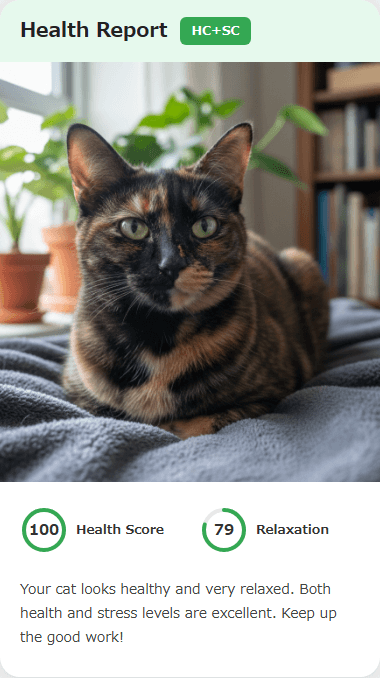

Worried about these symptoms?
Don't wait and wonder. CatsMe's AI analyzes your cat's photo to flag health concerns in seconds.
Ponad 380 000 właścicieli kotów w 50 krajach ufa CatsMe


Common Causes of Lethargy in Cats
Lethargy in cats can stem from a wide variety of causes. Sorting them into categories helps you and your vet focus the investigation.
Physical illness or pain
- Pain — joint pain (arthritis), dental disease, abdominal pain from pancreatitis or a blocked intestine. Cats in pain typically retreat, stop grooming, and may vocalize when touched.
- Fever — infections (viral, bacterial, or fungal) trigger an immune response that makes cats feel tired and withdrawn.
- Gastrointestinal problems — diarrhea, constipation, and vomiting all drain energy and motivation.
- Urinary tract issues — cystitis, urinary stones, and especially urinary blockage (an emergency in male cats) cause significant discomfort and lethargy.
- Anemia — reduced red blood cells mean less oxygen reaching tissues, causing profound tiredness.
Stress and environmental factors
- A move, renovation, new pet, new baby, or even rearranged furniture can make a sensitive cat withdraw.
- Seasonal changes and shorter daylight hours can temporarily reduce activity, though this is mild.
- Prolonged isolation from the owner (long work hours, travel) can cause depressive-like behavior in bonded cats.
Aging
- Activity naturally declines after age 7, but this is gradual — a sudden drop is different from normal aging.
- Arthritis pain makes movement uncomfortable, leading older cats to sleep more and jump less.
Home Health Check: What to Observe and Record
Before contacting your vet, gather as much objective information as you can. These six observations form a quick but thorough home health check that gives the veterinarian a head start on diagnosis.
1. Appetite. Is your cat eating at all? Has the amount dropped? Is it approaching the bowl but walking away? Appetite loss paired with lethargy significantly raises the urgency level.
2. Water intake. Increased drinking can signal kidney disease, diabetes, or hyperthyroidism. Decreased drinking alongside lethargy suggests dehydration.
3. Litter-box output. Count urine clumps and note stool consistency. No urine in 24 hours is an emergency — particularly in male cats. Blood in the urine or diarrhea are important diagnostic clues.
4. Body temperature. Gently touch the tips of your cat's ears and its nose. If they feel noticeably hotter or cooler than usual, fever or hypothermia may be present. A normal feline temperature is 38.0–39.2 °C (100.4–102.5 °F).
5. Breathing. Count breaths per minute while the cat is resting (normal: 15–30). Open-mouth breathing in a cat is almost always an emergency.
6. Behavior. Is your cat hiding more? Avoiding interaction? Sitting hunched with eyes half-closed? These postures often indicate pain.
The CatsMe app adds a valuable data point: its facial-analysis AI detects subtle pain and distress indicators that even experienced owners may miss, giving you an objective reading to share with your vet.
When to See the Vet: Red Flags
Seek veterinary care promptly if your lethargic cat also shows any of the following:
- Lethargy persisting beyond two days, even if other signs are subtle.
- Refusal to eat or drink — combined with inactivity, this accelerates dehydration and muscle breakdown.
- Rapid weight loss — losing even a few hundred grams over a week is significant in a 4 kg cat.
- Pain response — the cat flinches, hisses, or cries when a specific area is touched (abdomen, back, mouth).
- No urination in 24 hours or blood in the urine — urinary obstruction is a life-threatening emergency.
- Rapid or open-mouth breathing — indicates respiratory or cardiac distress.
If you are unsure whether the situation is urgent, Carelogy's online veterinary consultation lets you describe symptoms and share video from home. A vet can assess severity in minutes and tell you whether to monitor, adjust care, or head to a clinic immediately.
Home Care & When You Can Wait
If your cat is mildly lethargic but still eating, drinking, and using the litter box normally, it may be safe to monitor at home for 24–48 hours. Here is how to provide supportive care while you watch for improvement.
Create a comfortable environment
- Offer a quiet, warm resting spot with a soft bed. Cats that feel unwell often seek warmth and seclusion.
- Minimize disturbances from other pets, children, or loud household activity.
- A Feliway pheromone diffuser near the resting area can reduce background anxiety.
Support nutrition and hydration
- Warm wet food to just below body temperature to boost aroma and appeal.
- Place water bowls in several locations — sick cats may not walk far to drink.
- Lickable treats (such as Churu) or low-sodium chicken broth can encourage calorie and fluid intake.
Continue monitoring
- Check appetite and litter-box output twice a day and note any changes.
- Take a daily CatsMe facial photo to track subtle expression shifts.
- If there is no improvement after 24 hours — or if new symptoms appear (vomiting, breathing changes, refusal to eat) — escalate to a veterinary visit.
Stress-related lethargy often resolves within two to three days once the trigger is removed or the cat adapts. If it does not improve on that timeline, suspect a physical rather than behavioral cause.
What the Vet Will Do: Tests, Diagnosis & Costs
When you bring a lethargic cat to the clinic, the vet follows a systematic approach to find the underlying cause.
Comprehensive physical exam. Temperature, heart rate, respiratory rate, hydration status, lymph node size, abdominal palpation, oral inspection, and joint manipulation. This alone can reveal fever, pain sources, dehydration, or abnormal masses.
Blood work (¥5,000–¥15,000 / $40–$120). A complete blood count (CBC) checks for anemia, infection, and inflammation. A biochemistry panel evaluates kidney function, liver enzymes, blood glucose, and electrolytes. This is the single most revealing test for a lethargic cat.
Urinalysis (¥2,000–¥5,000 / $15–$40). Screens for urinary tract infection, kidney concentrating ability, and glucose spillover (diabetes).
X-rays and ultrasound (¥5,000–¥15,000 / $40–$120). Imaging assesses heart size, lung fields, abdominal organs, and any suspicious masses.
Infectious disease screening (¥3,000–¥8,000 / $25–$65). FIV (feline immunodeficiency virus) and FeLV (feline leukemia virus) snap tests are quick and important, especially if the cat's history is unknown.
Expect ¥10,000–¥30,000 for the initial visit with basic diagnostics. Complex or chronic lethargy may require advanced imaging, endoscopy, or specialist referral, bringing costs to ¥50,000–¥100,000.
Age-Specific Considerations: Kittens vs. Senior Cats
The significance and likely cause of lethargy change with age, so the vet uses your cat's life stage as a diagnostic compass.
Kittens (under 1 year)
A suddenly limp, unresponsive kitten may be experiencing hypoglycemia (low blood sugar) — a genuine emergency that requires immediate sugar supplementation and veterinary care. Parasites, viral infections (panleukopenia, FIP), and rapid dehydration from vomiting or diarrhea are other common causes of kitten lethargy. Never adopt a "wait and see" attitude with a limp kitten — the window for safe intervention is very short.
Adult cats (1–6 years)
Stress-related lethargy — triggered by a house move, a new pet, or a schedule change — is relatively common and often self-resolving within a few days. However, urinary tract disease (especially in male cats), pancreatitis, and emerging IBD also present as lethargy in this age group. If the cat is also losing weight or showing litter-box changes, pursue diagnostics sooner.
Senior cats (7+ years)
Lethargy in older cats demands a thorough medical workup. Chronic kidney disease, heart disease, cancer, and arthritis are all prevalent in this age group. Arthritis-related inactivity is often dismissed as "slowing down with age," but modern pain-management protocols can dramatically improve quality of life. Twice-yearly wellness blood panels are the best investment in early detection.
Prevention & Long-Term Management
You cannot prevent every illness, but you can create conditions that keep your cat active and help you spot trouble early.
Environmental enrichment
- Provide cat trees, puzzle feeders, and interactive toys to maintain physical and mental engagement.
- Set up a window perch where your cat can watch birds and outdoor activity — visual stimulation is surprisingly important for indoor cats.
- Dedicate 10–15 minutes daily to interactive play (feather wands, laser pointers). Regular play keeps muscles toned and spirits high.
Health monitoring
- Use the CatsMe app for daily AI-powered facial analysis — it builds a baseline of your cat's normal expression and flags deviations early.
- Weigh your cat monthly to catch gradual weight loss before it becomes severe.
- Stay aware of eating, drinking, and litter-box routines. Any sustained change from the baseline warrants attention.
Preventive veterinary care
- Schedule annual wellness exams (twice yearly for senior cats) with blood work and urinalysis.
- Keep vaccinations and parasite prevention current to reduce infection-related lethargy.
- Do not skip dental checkups — oral pain is a stealthy energy drain.
The more familiar you are with your cat's normal patterns — sleep schedule, favorite spots, activity peaks — the faster you will notice when something is wrong. Trust that instinct: "My cat just doesn't seem right" is one of the most important observations a pet owner can make.
Czy potrafisz odpowiedzieć na pytanie: od kiedy to trwa?
Gdy weterynarz zapyta, nie zostawaj bez odpowiedzi. CatsMe automatycznie rejestruje codzienne wyniki zdrowotne, które możesz udostępnić jednym dotknięciem.
元気がないぐったり活動量低下猫の病気
Related Symptoms
FAQ
 CatsMe
Bądź gotowy do działania, gdy poczujesz, że coś jest nie tak
Wystarczy jedno zdjęcie — SI odczytuje ból i stan zdrowia z wyrazu pyszczka kota. Sprawdź w chwili niepokoju i udostępnij zapis weterynarzowi.