

Why Has My Cat Stopped Eating? The Short Answer
A healthy cat that refuses food for more than 24 hours needs veterinary attention. That is the single most important takeaway from this article. Cats are obligate carnivores with a unique metabolism — when they stop eating, their bodies begin mobilizing fat reserves to the liver within just one to two days. In overweight cats especially, this can trigger hepatic lipidosis (fatty liver disease), a life-threatening condition that develops faster than most owners realize.
The good news is that most cases of appetite loss are temporary and treatable. Cats skip meals for reasons ranging from a new brand of kibble they find offensive to a stressful car ride earlier that day. The challenge is distinguishing a minor food strike from a medical emergency.
Here is a quick triage guide you can use right now:
- Skipped one meal, otherwise normal behavior — monitor for 12 hours, no panic needed
- No food for 12-24 hours, mild lethargy — try warming food and reducing stress; call your vet if no improvement
- No food for 24+ hours, vomiting, hiding, or drooling — see a vet the same day
- Kitten under 6 months not eating for 12+ hours — seek veterinary care immediately, as kittens dehydrate and crash far faster than adults
Below, we walk through all 9 causes in detail so you can pinpoint what is going on with your cat.
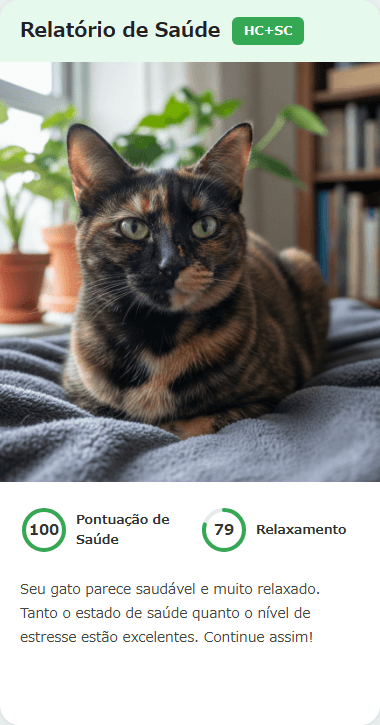

Preocupado com esses sintomas?
Não fique na dúvida. A IA do CatsMe analisa a foto do seu gato e identifica sinais de alerta em segundos.
Mais de 380.000 donos de gatos em 50 países confiam no CatsMe


9 Reasons Your Cat Won't Eat
1. Stress and environmental changes. Moving house, a new baby, a new pet, or even rearranged furniture can suppress appetite for one to three days. Cats are creatures of routine and any disruption to their territory feels threatening.
2. Food preferences and picky eating. Cats develop strong texture and temperature preferences. A sudden switch from pate to chunks, or serving cold food straight from the fridge, is enough to trigger a hunger strike.
3. Dental disease and oral pain. Tooth resorption, gingivitis, and stomatitis make chewing painful. Watch for drooling, head tilting while eating, or dropping food.
4. Gastrointestinal issues. Nausea, vomiting, constipation, or inflammatory bowel disease (IBD) all reduce appetite. Hairballs in long-haired breeds are a common culprit.
5. Upper respiratory infections. A stuffy nose means a cat cannot smell its food, and smell drives appetite. If your cat is sneezing with watery eyes, this is likely the cause.
6. Kidney disease. One of the most common diseases in senior cats, chronic kidney disease causes nausea and appetite loss. Increased thirst and urination are accompanying signs.
7. Pain anywhere in the body. Arthritis, urinary blockage, injuries — cats in pain often stop eating entirely because the stress response overrides hunger.
8. Medication side effects. Antibiotics, NSAIDs, and chemotherapy drugs commonly cause nausea and food refusal. Always report appetite changes to your prescribing vet.
9. Underlying serious illness. Pancreatitis, liver disease, cancer, and diabetes can all present with appetite loss as an early sign. Persistent refusal to eat warrants blood work.
When to Worry: Red Flags That Need Emergency Care
Not every skipped meal is an emergency, but certain combinations of symptoms should send you to the vet without delay. Hepatic lipidosis is the biggest hidden risk — it can develop in as little as 48 hours of fasting in overweight cats, and it has a mortality rate of up to 60% if untreated.
Seek same-day veterinary care if your cat shows any of these:
- Not eating for 24+ hours combined with lethargy — the cat is not just skipping food but also sleeping more, hiding, or unresponsive to play
- Vomiting more than twice in 24 hours — occasional vomiting happens, but repeated episodes alongside food refusal suggest obstruction, poisoning, or organ disease
- Yellow tinge to ears, gums, or eye whites (jaundice) — a hallmark of liver involvement, often linked to hepatic lipidosis
- Drooling or pawing at the mouth — suggests oral pain, a foreign object lodged in the mouth, or a caustic substance exposure
- Straining in the litter box — combined with not eating, this could indicate a urinary blockage, which is a life-threatening emergency in male cats
- Rapid breathing or open-mouth breathing — cats rarely breathe through their mouths; this signals severe distress
- Sudden weight loss — if your cat looks visibly thinner over just a few days, something serious is progressing quickly
When in doubt, a quick online veterinary consultation with a photo of your cat can help you decide whether an in-person visit is needed right away.
What to Do at Home: 6 Ways to Encourage Eating
If your cat has skipped a meal or two but otherwise seems alert, playful, and is drinking water, try these strategies before rushing to the clinic:
1. Warm the food. Microwave wet food for 5-10 seconds (stir and test temperature first) or add a splash of warm water. Heat releases aromas, and smell is the primary driver of feline appetite. This single trick works surprisingly often.
2. Offer a different protein. Cats can develop sudden aversions to a protein they have eaten for months. If chicken is being rejected, try fish, turkey, or beef. Keep three or four flavors in rotation.
3. Use a flat plate instead of a deep bowl. Many cats experience whisker fatigue — discomfort when sensitive whiskers press against bowl sides. Switching to a wide, shallow dish can make an immediate difference.
4. Create a calm eating environment. Move the food away from the litter box, loud appliances, and high-traffic areas. Some cats prefer eating in a slightly elevated, quiet spot where they can see the room.
5. Add a flavor topper. A small amount of bonito flakes, low-sodium chicken broth (no onion or garlic), or a squeeze of tuna water on top of regular food can reignite interest. Use sparingly — you do not want to create a new picky eating habit.
6. Rule out freshness issues. Wet food left out for more than 2 hours at room temperature may develop a taste or smell cats reject. Kibble absorbs moisture and goes stale in humid environments. Try opening a fresh can or bag.
If none of these work within 24 hours, or if your cat shows any red flags, schedule a vet visit.
What Tests Will the Vet Run & Costs
When a cat has not eaten for 24 hours or more, the vet will work systematically to identify the underlying cause. The diagnostic approach depends on the cat's age, history, and accompanying symptoms.
Physical examination: A thorough hands-on assessment — checking body condition, hydration status, oral health, abdominal palpation, lymph nodes, and temperature. Included in the exam fee, typically 1,500 to 3,000 yen ($10–20 USD).
Blood work (CBC and biochemistry panel): The most important first-line test. Reveals kidney disease, liver disease, pancreatitis markers, blood glucose abnormalities, and infection. Cost is approximately 5,000 to 12,000 yen ($35–85 USD). A feline pancreatic lipase (fPL) snap test for pancreatitis may be added for another 3,000 to 5,000 yen.
Urinalysis: Evaluates kidney function, hydration status, and checks for urinary tract infections. Cost is about 2,000 to 4,000 yen ($15–30 USD).
Abdominal X-rays: Checks for intestinal obstruction (foreign bodies, tumors), constipation, bladder stones, and organ enlargement. Cost is approximately 3,000 to 6,000 yen ($20–40 USD).
Abdominal ultrasound: Provides detailed visualization of internal organs — liver, kidneys, intestines, pancreas — and can identify masses, inflammation, and fluid accumulation. Cost ranges from 5,000 to 15,000 yen ($35–100 USD).
Dental examination (may require sedation): If oral pain is suspected, a visual exam under sedation or anesthesia with dental X-rays may be performed. Cost is approximately 10,000 to 25,000 yen ($70–170 USD).
A typical first-visit workup for appetite loss — exam, blood work, and urinalysis — costs approximately 8,000 to 18,000 yen ($55–125 USD). Adding imaging increases the total to 15,000 to 35,000 yen.
Age-Specific Risk Factors
Kittens (under 6 months): Kittens are at the highest risk of rapid deterioration when they stop eating. Their small body mass and limited glycogen reserves mean that hypoglycemia (low blood sugar) can develop within hours. Dehydration progresses rapidly as well. If a kitten under six months has not eaten for 12 hours, seek veterinary care immediately. Common causes include upper respiratory infections that block smell, intestinal parasites, stress from rehoming, and congenital digestive issues.
Young adult cats (6 months–7 years): Stress and dietary pickiness are the most frequent causes of short-term appetite loss. However, this age group is also when conditions like inflammatory bowel disease (IBD), pancreatitis, and dental disease commonly first present. A cat in this age range that refuses food for more than 24 hours with accompanying symptoms deserves prompt investigation.
Senior cats (7 years and older): The stakes are highest for older cats. Chronic kidney disease, hyperthyroidism, diabetes, dental disease, and cancer all become significantly more common. Hepatic lipidosis (fatty liver) can develop alarmingly fast in overweight senior cats — sometimes within 48 hours of fasting. Any senior cat that stops eating for more than 24 hours should be evaluated with blood work as a minimum.
Across all ages, the critical risk to remember is hepatic lipidosis. Overweight cats are at the highest risk, but any cat that does not eat for two or more days can develop this life-threatening liver condition. This is why the 24-hour rule exists — never wait longer than one day of complete fasting before seeking veterinary advice.
Prevention Tips
While you cannot prevent every instance of a cat refusing food, proactive management reduces the likelihood and ensures faster response when it happens.
Maintain a consistent feeding routine: Cats are creatures of habit. Feed at the same times every day, in the same location, using the same bowl type. Disruptions to routine — even minor ones like moving the food bowl — can trigger a temporary food strike.
Rotate proteins gradually: Keep three to four different protein flavors in regular rotation so your cat does not develop a fixed preference that becomes a vulnerability. When introducing a new food, mix it with the familiar food over seven to ten days, gradually increasing the proportion of the new food.
Address dental health proactively: Since dental pain is a major cause of appetite loss, daily tooth brushing and annual dental exams prevent the silent buildup of disease that eventually makes eating painful.
Manage weight to reduce hepatic lipidosis risk: Overweight cats are at the highest risk of fatty liver disease during fasting. Maintain your cat at an ideal body condition score through appropriate calorie intake and regular play.
Minimize stress during transitions: When moving, introducing a new pet, or making home changes, provide your cat with a safe room containing familiar bedding, food, water, and a litter box. Pheromone diffusers (Feliway) can ease adjustment.
Establish a health monitoring baseline: Use the CatsMe app to log daily food intake, weight (weekly), and energy levels. Having concrete data makes it easy to detect the moment appetite starts to decline — not two days later when the problem has already escalated.
Know your emergency plan: Keep the phone number of your regular vet and a 24-hour emergency animal hospital saved in your phone. Knowing exactly what to do when your cat stops eating eliminates indecision that wastes critical time.
Track Your Cat's Appetite Patterns with CatsMe
One of the most valuable things you can tell a veterinarian is exactly when your cat's appetite changed and what other symptoms appeared alongside it. Memory alone is unreliable — was it two days ago or three? Was there also a change in water intake? The CatsMe app solves this by turning daily observations into a clear, shareable health timeline.
How CatsMe helps with appetite monitoring:
- Daily health scoring — rate appetite, water intake, energy level, and stool quality in under 30 seconds each morning. The app builds a trend graph so you can spot gradual declines, not just sudden crashes
- AI-powered facial expression analysis — cats instinctively mask pain, but micro-changes in ear position, eye squinting, and muzzle tension reveal discomfort. CatsMe's AI detects these subtle shifts that human eyes often miss
- Symptom checker — enter "not eating" and the app returns ranked possible causes with urgency levels, helping you decide whether to wait or act now
- One-tap vet reports — share your cat's complete health timeline with your veterinarian. No more trying to remember details during a stressful clinic visit
- Weight tracking — log weight weekly to catch gradual loss that is invisible day to day but significant over weeks
Consistent daily logging — even when your cat seems healthy — creates the baseline that makes abnormalities detectable early.
Start tracking your cat's health with CatsMe →
Você saberia responder "quando isso começou?"
Quando o veterinário perguntar, não fique sem resposta. O CatsMe registra automaticamente pontuações de saúde diárias que você pode compartilhar com um toque.
cat not eating猫 食欲不振猫 ご飯食べないcat loss of appetite猫の病気
FAQ
 CatsMe
Esteja preparado no momento em que sentir que algo não está bem
Basta uma foto: a IA lê dor e estado de saúde pela expressão do seu gato. Verifique no momento da dúvida e compartilhe o registro com o veterinário.