

Why Kittens Cry at Night
Loneliness and anxiety: A kitten that has just been separated from its mother and littermates may cry at night out of distress in an unfamiliar environment.
Hunger: Growing kittens burn energy quickly and may wake up hungry during the night.
What to do: Play vigorously before bedtime to tire the kitten out, and offer a small meal right before lights-off. Providing a warm blanket or a soft stuffed toy can mimic the comfort of sleeping with siblings and help the kitten settle.
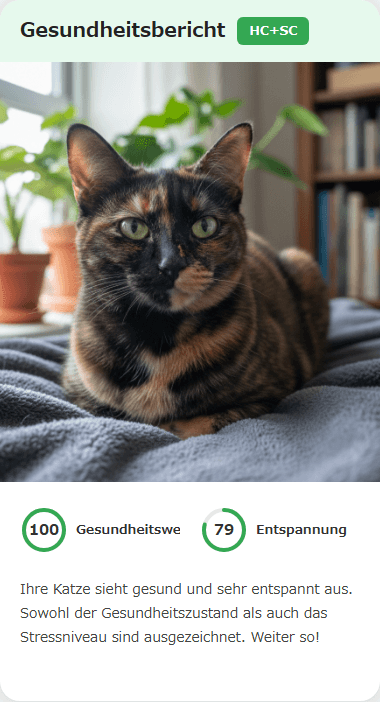

Machen Ihnen diese Symptome Sorgen?
Warten Sie nicht ab. Die KI von CatsMe analysiert das Foto Ihrer Katze und erkennt gesundheitliche Auffälligkeiten in Sekunden.
Über 380.000 Katzenbesitzer in 50 Ländern vertrauen CatsMe


Why Adult Cats Cry at Night
Heat cycles: Intact (unspayed or unneutered) cats vocalize loudly during heat. Spaying or neutering resolves this.
Boredom and excess energy: Cats that are understimulated during the day become active at night. Increase indoor exercise and play sessions.
Attention-seeking vocalization: Demands for food or an open door. Responding reinforces the behavior, so the best approach is to ignore it consistently.
Stress: Environmental changes, a move to a new home, or the arrival of a new pet or family member can trigger nighttime crying.
Why Senior Cats Cry at Night
Night crying in older cats is often a sign of illness and should not be dismissed.
Cognitive dysfunction syndrome (dementia): Disorientation causes confusion and vocalization at night. This is the most common reason senior cats cry after dark.
Hyperthyroidism: An overactive thyroid makes cats restless and vocal around the clock.
Hypertension: High blood pressure associated with kidney disease can cause headaches and vision loss, leading to anxiety.
Pain: Arthritis pain may prevent comfortable rest.
Declining vision or hearing: Cats that cannot see or hear well feel vulnerable in the dark. Nightlights placed near key areas can help.
If your senior cat suddenly starts crying at night, schedule a veterinary appointment promptly.
Step-by-Step Guide to Reducing Night Crying
Follow this structured approach to systematically address and reduce your cat's nighttime vocalizations.
Step 1: Rule out medical causes first. Schedule a veterinary exam as the essential first step. For senior cats, request blood work to check thyroid and kidney values, which are the two most common medical drivers of nighttime crying in older cats.
Step 2: Establish an evening play routine. Two hours before bedtime, engage your cat in a vigorous 15-to-20-minute play session. Mimic the natural hunt cycle — chase, catch, and eat — by finishing the session with a small meal to trigger the post-hunt sleep response.
Step 3: Offer a bedtime snack. After the play session, give a small portion of food. The feeling of fullness promotes sleep and helps your cat remain settled through the night without waking from hunger.
Step 4: Optimize the sleeping environment. Provide a warm, comfortable bed in a quiet location. For senior cats, plug in nightlights near the litter box, water station, and sleeping area. Install Feliway diffusers in the bedroom to promote calm.
Step 5: Handle attention-seeking cries consistently. For adult cats that cry for food or attention, ignore the behavior every single time. Responding even occasionally teaches your cat that persistence works, which intensifies the crying over time.
Step 6: Monitor progress. Allow two to three weeks for behavioral interventions to take effect. If there is no improvement, consult your vet or a certified animal behaviorist for a tailored approach.
Common Mistakes in Dealing with Night Crying
Avoid these counterproductive responses that commonly make nighttime vocalization worse rather than better.
Mistake 1: Scolding the crying cat. Punishment does not stop night crying. Cats interpret scolding as attention — even negative attention is attention — and the behavior may actually intensify as a result.
Mistake 2: Dismissing senior cat crying as normal aging. Assuming nighttime vocalization is "just old age" is dangerous. Cognitive dysfunction and hyperthyroidism are both treatable conditions that significantly improve with proper medication and management.
Mistake 3: Getting up to feed the cat at night. This creates a classic reinforcement cycle: the cat learns that crying produces food, so they cry louder and longer each night. Instead, set an automatic feeder to dispense a small portion in the early morning.
Mistake 4: Ignoring daytime activity needs. Insufficient stimulation during waking hours leaves cats with pent-up energy that erupts at night. Build consistent indoor exercise sessions into the daily routine, focusing on the late afternoon and evening.
Expert Tips for Managing Night Crying
Feline behavior specialists recommend these advanced strategies for persistent night crying that does not respond to basic interventions.
Consider calming supplements. Products containing L-theanine or casein have mild sedative properties and are available without a prescription. For senior cats with cognitive decline, DHA omega-3 fatty acids and SAMe (S-adenosylmethionine) have shown promise in supporting brain function. Always consult your veterinarian before starting any supplement.
Modify the sound environment. Low-frequency white noise or soft classical music can have a calming effect on some senior cats, reducing nighttime anxiety and vocalization.
Shift the activity cycle. Encourage a more diurnal rhythm by keeping rooms bright during the day and dark at night, and concentrating all play and feeding during daylight and early evening hours. Avoid stimulating play immediately before your own bedtime.
Address multi-cat dynamics. In multi-cat households, nighttime crying triggered by the addition of a new cat may require revisiting the introduction process and ensuring adequate resource separation.
Medication as a last resort. When behavioral approaches fail, veterinarians may prescribe anti-anxiety medications or cognitive-support drugs for senior cats. While medication should be the final option, it can dramatically improve quality of life for both the cat and the household.
When to Consult a Vet About Night Crying
Schedule a veterinary visit if your cat's nighttime crying matches any of these patterns.
New night crying in a senior cat. Cats over seven who suddenly begin vocalizing at night need screening for cognitive dysfunction, hyperthyroidism, and kidney disease — the three most common medical causes in this age group.
Night crying with concurrent symptoms. If vocalization is accompanied by appetite loss, weight change, vomiting, or diarrhea, a systemic illness may be the underlying driver and comprehensive diagnostics are warranted.
Loud vocalization in an intact cat. This likely indicates a heat cycle. Discuss spaying or neutering with your veterinarian as a permanent solution.
No improvement after two to three weeks of behavioral intervention. If environmental enrichment and adjusted routines have not reduced the crying, professional guidance from a veterinary behaviorist is the logical next step.
Night crying with abnormal movement. Disorientation, walking into walls, circling, or loss of balance alongside vocalization suggests a neurological condition that requires urgent veterinary evaluation.
Könnten Sie beantworten: ‚Seit wann geht es ihr so?'
Wenn der Tierarzt fragt, sollten Sie nicht raten müssen. CatsMe protokolliert automatisch tägliche Gesundheitswerte, die Sie mit einem Fingertipp teilen können.
夜鳴き鳴くストレスシニア猫
FAQ
 CatsMe
Seien Sie vorbereitet, wenn Ihnen etwas auffällt
Ein Foto genügt: Die KI liest Schmerz und Zustand am Gesichtsausdruck Ihrer Katze ab. Prüfen Sie im Moment der Sorge und teilen Sie die Aufzeichnung mit Ihrer Tierarztpraxis.