

How Often Should You Scoop the Litter Box?
The golden rule for litter box maintenance is scooping once or twice a day. Cats are fastidiously clean animals and will avoid a dirty box, which can lead to inappropriate elimination behavior — urinating or defecating outside the box. Leaving waste for too long also raises the risk of urinary tract infections and stress-related health issues.
The ideal routine is to remove clumped urine and feces with a scoop every morning and evening. If you are away during the day, make sure to scoop at least once when you return home. During summer months, bacteria multiply faster and odors intensify, making frequent cleaning even more critical.
While scooping, pay attention to changes in color, volume, consistency, and smell of the waste. Blood in urine, unusually small urine clumps, or persistent soft stools may be early warning signs of illness. Treating your daily cleaning routine as a health-check opportunity is one of the simplest yet most effective ways to monitor your cat's well-being.
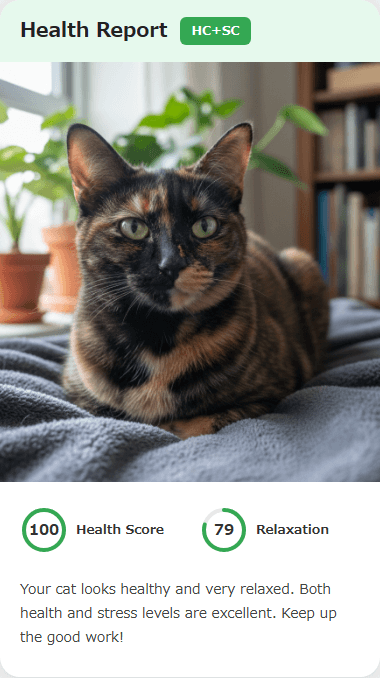

Catch problems before they start
Daily health tracking makes early detection possible. CatsMe logs changes automatically so small shifts don't slip past you.
Used by 380,000+ cat owners in 50 countries


When to Replace All Litter and Deep-Clean the Box
In addition to daily scooping, you need to completely replace the litter and deep-clean the box on a regular schedule. The full-change interval depends on the type of litter, but a general guideline is every 2 to 4 weeks. Clumping mineral (bentonite) litters last longer, while wood, paper, and tofu-based litters break down faster and should be replaced every two weeks.
Deep-cleaning steps: Dump all old litter, then wash the box with lukewarm water and a mild, unscented detergent. Cats dislike strong fragrances, so avoid chlorine bleach or scented cleaners. Rinse thoroughly, then sun-dry or towel-dry completely before refilling with fresh litter.
The box itself has a lifespan, too. Over time, plastic litter boxes develop micro-scratches that trap odors. If you notice lingering smells even after washing, or the surface is visibly scratched, consider replacing the box once a year. Keeping the toilet environment pristine is the foundation of preventing litter-box avoidance and related behavioral or health issues in cats.
Litter Box Rules for Multi-Cat Households
In multi-cat homes, the number of boxes and cleaning frequency become especially critical. The vet-recommended rule is one box per cat plus one extra — so two cats need three boxes, and three cats need four. Too few boxes can trigger territorial disputes and stress, leading some cats to eliminate outside the box.
Cleaning frequency must scale with the number of cats. For two cats, aim for 2 to 3 scooping sessions per day; for three or more, at least 3 times daily. Boxes get soiled much faster in multi-cat households, and even a brief delay in cleaning can cause avoidance.
Each cat may also have distinct litter preferences. Some favor fine-grain litter, others prefer larger pellets. Some feel secure in a covered box, while others refuse to enter one. When introducing a new cat, experiment with different litter types and box styles to find what each cat prefers. Equally important is spreading boxes across different locations rather than clustering them in one spot, which helps reduce resource-guarding behavior and ensures every cat has comfortable access.
What Happens If You Skip Cleaning? Health Risks
Neglecting litter box hygiene has direct consequences for your cat's health. The most common issue is feline lower urinary tract disease (FLUTD). Cats that avoid a dirty box and hold their urine are more prone to cystitis and urinary stones. Male cats are especially vulnerable because their narrow urethra can become blocked — a life-threatening emergency.
Stress-related problems are equally serious. A dirty toilet environment is a major stressor that can trigger over-grooming leading to hair loss, appetite loss, and increased aggression. Sensitive cats are particularly affected and may develop digestive symptoms such as vomiting or diarrhea.
Dirty litter boxes also become breeding grounds for bacteria and parasites. The risk of zoonotic infections such as toxoplasmosis increases, making proper hygiene important not just for your cat but for your own health as well.
Daily waste monitoring is a powerful tool for early disease detection. Dark urine, blood traces, or mucus-coated stool are warning signs that warrant a prompt veterinary consultation.
How to Set Up the Ideal Litter Box Environment
Beyond keeping the box clean, the overall toilet setup significantly affects your cat's comfort and health.
Location matters most — choose a quiet, well-ventilated spot. Avoid areas near washing machines or front doors where sudden noises can startle cats. Ensure the space is low-traffic so your cat can eliminate in peace, and always keep litter boxes away from food and water bowls.
Litter depth should be 5 to 7 cm (2–3 inches). Too shallow and cats cannot dig and cover properly, causing frustration; too deep and some cats dislike the sinking feeling underfoot.
Covered vs. open boxes: Observe your cat's preference. Covered boxes trap odors inside, requiring more frequent cleaning. Most veterinarians recommend open-top boxes for better air circulation and easier access.
For odor control, sprinkle a thin layer of baking soda beneath the litter to absorb smells. Avoid air fresheners and essential oil diffusers near the box, as many fragrances are toxic to cats.
Using the CatsMe app to log elimination frequency and timing helps you spot abnormal patterns early. Combining a well-designed toilet environment with consistent daily observation is the single most effective step you can take to safeguard your cat's long-term health.
Common Mistakes to Avoid in Litter Box Cleaning
Cleaning mistakes have a direct impact on your cat's health and willingness to use the box. Knowing these common errors helps you maintain an effective hygiene routine.
Mistake 1: Using chlorine bleach to wash the box
Chlorine is toxic to cats, and the lingering scent can make them avoid the box entirely. Always clean with a mild, unscented detergent and lukewarm water, and rinse thoroughly until no soap residue or chemical smell remains.
Mistake 2: Eliminating all scent during a full litter change
Cats identify their litter box as "theirs" partly through residual scent. If you replace every grain of litter and scrub the box to a completely neutral state, some cats will refuse to use it because it no longer smells like home. After a deep clean, mix in a small handful of used litter from the old batch, or scoop with the same tool to transfer a trace of familiar scent.
Mistake 3: Using air fresheners or scented litter
Cats have an extremely sensitive sense of smell, and what smells pleasant to humans can be a stress trigger for a cat. Fragrance-free litter combined with a thin layer of baking soda under the litter is the most effective and cat-safe odor control method available.
Mistake 4: Failing to use cleaning time as a health check
Every scoop is an opportunity to monitor your cat's health. Dark or concentrated urine, blood in stool, mucus on feces, or a sudden change in elimination frequency are early warning signs of illness. Making health observation a conscious habit during daily cleaning catches problems before they become emergencies.
Expert Tips & Best Practices for Efficient Litter Box Cleaning
Veterinarians and professional pet care specialists share these tips for making litter box maintenance faster, more effective, and healthier for your cat.
Assemble a dedicated cleaning kit
Keep a metal scoop (stronger than plastic and easier to sift through litter), odor-neutralizing waste bags, mild unscented detergent, and baking soda in a designated "litter box cleaning station" next to each box. Having everything at hand makes the daily routine quick and eliminates excuses for skipping a session.
The two-box rotation method
Own two identical litter boxes and swap them during deep-cleaning sessions. While one box is being washed and dried, the other is already set up and in use. This prevents the common problem of a cat refusing to enter a freshly cleaned box that still smells different, and it ensures there is no gap in toilet availability during the drying period.
Timing your clean
Avoid scooping immediately after your cat finishes eliminating. Some cats feel territorial about their waste and become anxious if it disappears the moment they walk away. Wait until your cat has left the area before cleaning. This small courtesy reduces stress and helps your cat maintain a positive relationship with its toilet space.
Track and analyze patterns
Using the CatsMe app to record elimination frequency, volume, and color creates a data trail that makes subtle health changes visible over time. This is especially valuable in multi-cat households, where identifying which cat is producing abnormal output can be challenging without systematic tracking.
Seasonal Adjustments for Litter Box Cleaning
Adapting your litter box cleaning routine to the season keeps hygiene standards consistently high throughout the year.
Summer: Heat and humidity accelerate bacterial growth and amplify odors dramatically. Increase scooping to three times daily, shorten the full litter replacement cycle to every two weeks, and place a small dehumidifier near the box area to inhibit bacterial proliferation. Watch for fruit flies and other insects attracted to waste — they are a sign that cleaning frequency needs to increase further.
Winter: Reduced water intake during cold months raises the risk of urinary tract disease, making urine color and volume monitoring during daily scooping especially critical. Cats may avoid boxes located in cold rooms, so ensure at least one box is in a warm, comfortable area to prevent elimination delays that contribute to urinary problems.
Rainy season: Persistent humidity degrades litter clumping performance and creates conditions for mold growth on the box surface. Run a dehumidifier and increase the frequency of full litter changes. If sun-drying after a deep clean is not possible due to rain, towel-dry the box completely before refilling — any residual moisture promotes bacterial and fungal growth.
Shedding season (spring and autumn): Loose fur shed during grooming accumulates in the litter box and tangles with the litter, reducing clumping effectiveness and making scooping harder. Intensify brushing to reduce the volume of loose hair reaching the box, and vacuum the area around each litter box more frequently to keep the surrounding floor clean.
Prevention starts with noticing early
The best time to catch a problem is before it grows. CatsMe logs daily health scores so small changes never go unnoticed.
猫 トイレ掃除 頻度猫 トイレ 砂 交換猫 トイレ 臭い多頭飼い トイレ猫の健康管理
FAQ
 CatsMe
Be ready the moment you sense something's off
Take one photo and the AI reads pain and condition from your cat's expression. Check the moment you wonder, and share the record with your vet.