

Is Pet Insurance Necessary for Cats? Enrollment Rates and Medical Cost Reality
The pet insurance enrollment rate in Japan currently stands at approximately 16%, though it has been steadily increasing year over year. In Western countries, enrollment rates of 25-40% are already common, and interest in pet insurance is rapidly growing in Japan as well.
The average lifetime medical cost for a cat ranges from ¥1,000,000 to ¥2,000,000 (roughly $7,000-$14,000), with expenses heavily concentrated in the senior years. For example, chronic kidney disease, which is extremely common in older cats, requires regular veterinary visits, blood tests, and fluid therapy, often costing ¥30,000-¥50,000 per month over several years. Emergency surgery can cost ¥200,000-¥500,000 in a single procedure.
The most critical principle in choosing pet insurance is to enroll while your cat is still healthy. Most insurance providers either exclude pre-existing conditions from coverage or may refuse enrollment entirely. Even after enrollment, there is typically a waiting period (usually 30-90 days) during which newly diagnosed conditions are not covered.
Many cat owners think "my cat is healthy, so we don't need insurance," but cats have a natural instinct to hide illness. By the time symptoms become obvious, the condition may already be advanced. Enrolling while your cat is young and healthy is the best way to prepare for potentially high medical costs in the future.

Your cat's daily companion
From grooming reminders to weight trends, CatsMe keeps your cat's care routine on track — all in one app.
Dipercaya oleh lebih dari 380.000 pemilik kucing di 50 negara


Three Types of Pet Insurance Coverage
Pet insurance can be broadly divided into three coverage types, each with different features and premium levels. It's important to choose based on your cat's life stage and your household budget.
① Full Coverage (Outpatient + Hospitalization + Surgery)
This is the most comprehensive type, covering everything from routine vet visits to hospitalization and surgery. Monthly premiums typically range from ¥2,000-¥4,000. Since it covers chronic conditions requiring long-term treatment, it provides the greatest peace of mind, though premiums are relatively higher.
② Surgery-Focused Plans (Surgery + Hospitalization Only)
This type is designed to protect against high-cost medical events like surgery and hospitalization. Monthly premiums are a more modest ¥500-¥1,500. While everyday vet visits are paid out of pocket, this plan covers sudden expenses that can reach hundreds of thousands of yen. It suits those who want to cover only major expenses.
③ Percentage-Based Reimbursement
This type reimburses a set percentage of treatment costs, with 70% and 50% reimbursement being the most common options. Higher reimbursement rates come with higher premiums. An annual coverage cap is set, and actual costs are reimbursed within that limit.
There are also two methods for claiming insurance: direct billing and post-visit claims. With direct billing, you simply present your insurance card at the veterinary clinic and pay only your share — very convenient. With post-visit claims, you pay the full amount first and then submit a claim to the insurance company for reimbursement afterward.
7 Key Checkpoints for Choosing Pet Insurance
To choose the optimal plan from the many pet insurance options available, be sure to check the following 7 key points.
① Reimbursement Rate (50% vs 70% vs 100%)
This indicates what percentage of treatment costs will be covered. A 70% rate is generally considered the best balance, while 100% plans come with significantly higher premiums. Choose based on the balance between your out-of-pocket costs and premium payments.
② Annual Coverage Limit
This is the maximum amount of insurance benefits you can receive per year. ¥500,000-¥1,000,000 annually is typical, but plans with lower limits may fall short for serious illnesses.
③ Deductible Amount
This is the minimum amount you pay per treatment before insurance kicks in. For example, with a ¥5,000 deductible, any treatment costing ¥5,000 or less is entirely out of pocket. Some plans offer a ¥0 deductible, so check carefully.
④ Waiting Period
This is the period after enrollment before coverage begins. Many insurers set a 30-day waiting period for illnesses and 90 days for cancer. Some plans have no waiting period for injuries.
⑤ Renewal Condition Changes
This is a crucial and often overlooked point. If your cat develops a condition during the policy term, that condition may be added as an exclusion at the next renewal. Always review renewal terms in advance.
⑥ Excluded Conditions
Most insurance plans exclude congenital conditions, dental treatments, vaccinations, spaying/neutering, and supplements. It is easy to overlook that periodontal disease treatment — very common in cats — is often excluded, so pay close attention.
⑦ Direct Billing Availability
If direct billing is supported, it greatly reduces hassle at checkout. However, the number of partner clinics may be limited, so confirm whether your regular veterinary clinic is included.
Recommended Plans by Cat Age
The coverage your cat needs changes with their life stage. Here's how to choose the right plan based on age.
Kittens (0-1 year): Full Coverage Recommended
Kittens are curious and prone to swallowing foreign objects and falling from heights. Their developing immune systems also put them at higher risk for infections. Since vet visits tend to be frequent, full coverage that includes outpatient care provides the most peace of mind. Premiums are set lowest for young cats, making this the most economical time to enroll.
Adult Cats (1-7 years): 70% Reimbursement Offers Best Balance
This is a relatively stable period physically, though conditions like urinary stones and allergic dermatitis become more common. Either full coverage or surgery-focused plans work, but a 70% reimbursement plan offers the best balance between premiums and coverage.
Senior Cats (7+ years): Check Enrollment Age Limits and Disease Coverage
The senior years bring sharply increased risk of serious conditions including chronic kidney disease, hyperthyroidism, cancer, and diabetes. For new enrollment at this stage, always verify the maximum enrollment age (typically 7-12 years depending on the insurer). Also confirm that treatments for kidney disease and cancer are included in coverage.
Most insurance plans allow lifetime renewal once enrolled. This means if you enroll your cat while young, coverage can continue into the senior years. However, remember that premiums increase progressively with age. It is not uncommon for monthly premiums to exceed ¥5,000 for cats over 10 years old.
Common Pitfalls with Pet Insurance
Even with pet insurance, there are cases where you may not receive the coverage you expected. Here are common pitfalls you should know before enrolling.
① Failure to Disclose Pre-existing Conditions Leads to Claim Denial
When enrolling, you have a duty of disclosure to accurately report your cat's health status. If you conceal past medical history and it's discovered later, not only will claims be denied, but the contract may be terminated entirely. Report everything honestly, even minor symptoms.
② Conditions Developing During the Waiting Period Are Not Covered
Coverage doesn't begin immediately after enrollment. Illnesses developing during the waiting period (typically 30 days for illness, 90 days for cancer) are not covered. You cannot use insurance as a last-minute measure when your cat starts feeling unwell.
③ Dental Treatment and Spaying/Neutering Are Generally Excluded
Periodontal disease and gingivitis — extremely common in cats — along with spaying/neutering, vaccinations, and health checkups are excluded from most insurance plans. Plan to cover preventive care costs yourself.
④ Exclusions Added at Renewal
This is easy to overlook: if you make claims for a specific condition during the policy term, that condition may be added as an exclusion at the next renewal. This could eliminate coverage for the very condition you need most, so reviewing renewal terms is essential.
⑤ Premium Increases with Age
Pet insurance premiums increase progressively with your cat's age. Even if premiums are affordable when you first enroll, they can become a significant burden as your cat ages. Review long-term premium projections before enrolling. Monthly and annual payment options often have different discount rates.
Reducing Medical Costs Through Daily Health Management
Pet insurance is ultimately a safety net for emergencies, and it is daily health management that leads to the greatest savings on medical costs. Achieving early detection and early treatment of diseases prevents them from becoming severe, ultimately reducing treatment costs significantly.
Daily Health Check Points
Key things to monitor daily include changes in appetite, water intake, elimination patterns (urine volume and color, stool consistency), weight fluctuations, coat condition changes, and activity level changes. These subtle changes are often early signs of illness. Since cats naturally hide discomfort, daily observation is extremely important.
Build a Health Recording Habit with CatsMe
Using the CatsMe app, you can easily record daily food intake, weight, elimination, and concerning symptoms. By accumulating data, you can quickly notice deviations from the norm, and consultations with your veterinarian become smoother. Being able to accurately communicate "when symptoms first appeared" is crucial for improving diagnostic accuracy.
The Importance of Regular Checkups
Adult cats should have checkups once a year, and senior cats (7+) should go twice a year. Blood and urine tests can detect early signs of kidney disease, diabetes, and more. While regular checkups are usually not covered by insurance, considering the cost savings from early detection, they represent the most cost-effective investment you can make in your cat's health.
By combining insurance with daily health management, you can protect both your cat's health and your household budget.
Practical Guide: Treatment Cost Simulations to Assess Insurance Value
To understand the concrete value of pet insurance, let us simulate actual treatment costs for common feline conditions and compare out-of-pocket expenses with and without coverage.
Case 1: Chronic Kidney Disease (Senior Cat)
Monthly treatment cost: Approximately 30,000-50,000 yen (vet visits, blood tests, subcutaneous fluids)
Annual treatment cost: Approximately 360,000-600,000 yen
With 70% coverage: Out-of-pocket drops to approximately 110,000-180,000 yen per year plus premiums
Case 2: Urinary Obstruction (Male Cat)
Emergency surgery plus hospitalization: Approximately 150,000-300,000 yen
With 70% coverage: Out-of-pocket approximately 45,000-90,000 yen plus premiums
Case 3: Foreign Body Ingestion Surgery
Surgery plus hospitalization plus post-operative care: Approximately 200,000-400,000 yen
With 70% coverage: Out-of-pocket approximately 60,000-120,000 yen plus premiums
Case 4: Lymphoma Chemotherapy
Six-month treatment course: Approximately 300,000-600,000 yen
With 70% coverage: Out-of-pocket approximately 90,000-180,000 yen plus premiums
Break-Even Point Against Premiums
For a full-coverage 70% plan at approximately 3,000 yen per month (36,000 yen annually), insurance becomes financially advantageous when annual treatment costs exceed approximately 120,000 yen. The value of insurance is especially high for long-term conditions such as chronic kidney disease.
Important Notes
These simulations are estimates only. Factor in the annual coverage limit, deductible amount, and waiting period, then make a decision tailored to your cat's age, health status, and household budget.
Resources & Support: Step-by-Step Insurance Enrollment and Claims Guide
Here is a step-by-step guide covering the entire process from enrolling in pet insurance to filing a claim.
Enrollment Steps
Step 1: Research
Request materials from multiple insurance providers or use comparison websites to evaluate coverage, premiums, exclusions, and renewal terms side by side.
Step 2: Get Quotes
Enter your cat's age, breed, and health status to obtain online quotes. Comparing quotes from several companies is essential for finding the best fit.
Step 3: Complete the Duty of Disclosure
Honestly report your cat's health status, including past medical history, current conditions under treatment, and any congenital diseases. False disclosure can result in contract termination.
Step 4: Sign the Contract and Begin the Waiting Period
After the contract is finalized, the waiting period begins (typically 30 days for illness and 90 days for cancer). Conditions that develop during this period are not covered.
How to File a Claim
Direct Billing
Simply present your insurance card at the veterinary clinic reception desk and pay only your share of the cost.
Post-Visit Claims
1. Pay the full amount at the veterinary clinic and obtain an itemized receipt
2. Fill out the insurance company's claim form
3. Attach a copy of the veterinary invoice and mail it to the insurance company
4. After review, the reimbursement is deposited into your designated bank account (typically within two to four weeks)
Related Carelogy Articles
- Cancer Early Detection: Preparing for potentially high cancer treatment costs
- Chronic Kidney Disease: Preparing for long-term treatment expenses
- Health Checkup Importance: Combining prevention with early detection
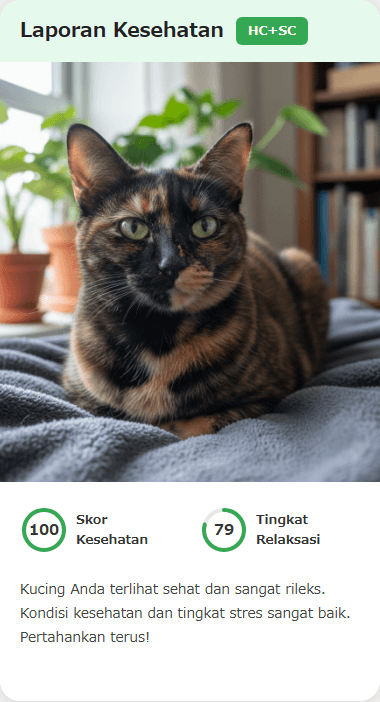
Bisakah Anda menjawab "sejak kapan ini terjadi?"
Saat dokter hewan bertanya, jangan sampai Anda bingung. CatsMe mencatat skor kesehatan harian secara otomatis yang bisa dibagikan hanya dengan satu ketukan.
猫 保険ペット保険猫 保険 おすすめ猫 医療費ペット保険 比較猫の健康管理
FAQ
 CatsMe
Siap bertindak saat Anda merasa ada yang tidak beres
Cukup satu foto: AI membaca rasa sakit dan kondisi kesehatan dari ekspresi kucing Anda. Periksa saat Anda mulai khawatir, dan bagikan catatannya ke dokter hewan.