

How Does Cat Age Convert to Human Years?
Cats age far more rapidly than humans, especially in their first two years. By age one, a cat is roughly equivalent to a 15-year-old person; by age two, they are about 24 in human years. After that, each additional cat year adds approximately four human years.
Cat-to-Human Age Chart:
- 6 months → ~10 human years
- 1 year → ~15 human years
- 2 years → ~24 human years
- 5 years → ~36 human years
- 7 years → ~44 human years (entering senior stage)
- 10 years → ~56 human years
- 15 years → ~76 human years
- 20 years → ~96 human years
Understanding where your cat falls on this chart helps you anticipate their health needs and adjust care routines accordingly. A seven-year-old cat, for instance, is already middle-aged and should begin receiving more frequent veterinary attention.
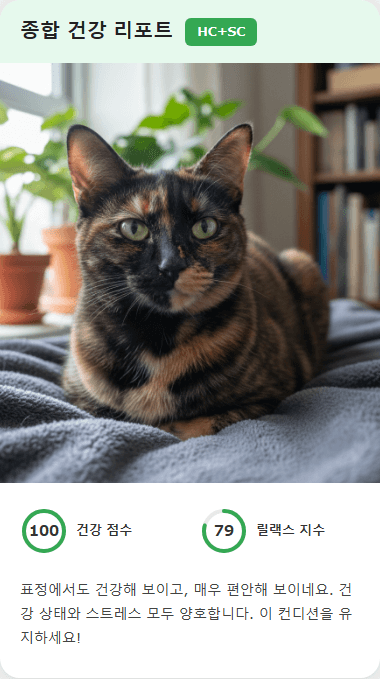

우리 고양이의 매일 건강 파트너
그루밍 알림부터 체중 변화까지, CatsMe 하나로 고양이 건강 관리를 간편하게 해보세요.
50개국 380,000명 이상의 보호자가 사용 중


Characteristics by Life Stage
Kitten Stage (0–1 year): This is a period of explosive growth and a critical window for socialization. Follow a kitten first-year guide to stay on top of vaccinations and socialization milestones.
Adult Stage (1–7 years): Cats are at their most active and face relatively lower health risks during this period. Schedule an annual wellness exam to catch problems early, and watch for weight gain.
Senior Stage (7+ years): The risk of chronic diseases rises significantly. This is the prime age for kidney disease and hyperthyroidism. Twice-yearly checkups are recommended.
Super Senior (15+ years): Management of cognitive dysfunction and arthritis becomes a top priority. Extra comfort measures and close veterinary monitoring help maintain quality of life.
Age-Appropriate Care Tips
Food: Choose a life-stage-appropriate diet. Senior formulas are often low in phosphorus to support kidney health. See our cat food guide for detailed recommendations.
Exercise: Activity levels naturally decline with age, but regular indoor exercise remains essential for maintaining muscle mass and healthy joints.
Routine Checkups: Cats under seven should see the vet at least once a year; cats seven and older benefit from twice-yearly visits. Blood work helps catch organ changes before symptoms appear.
Environment: For senior cats, add steps or ramps to help them reach litter boxes, beds, and favorite perches. Reducing barriers around the home keeps older cats comfortable and confident.
Step-by-Step Guide to Age-Appropriate Cat Care
Follow this step-by-step guide to provide the best age-appropriate care for your cat at every life stage.
Step 1: Determine your cat's exact age. For rescued cats, ask your veterinarian for an age estimate during a wellness exam. Teeth condition and eye clarity are the most reliable markers.
Step 2: Identify the life stage. Categorize your cat as kitten (0–1 year), adult (1–7 years), senior (7–15 years), or super senior (15+ years). Each stage has distinct nutritional and medical needs.
Step 3: Review the diet. Confirm that your cat's current food matches their life stage requirements. Use our food guide to verify that the nutritional profile is age-appropriate, paying particular attention to protein levels, phosphorus content, and calorie density.
Step 4: Set a checkup schedule. Book annual wellness visits for cats under seven and twice-yearly exams for cats seven and older. Each visit should include a blood panel to monitor organ function before clinical signs appear.
Step 5: Adjust the home environment. Reassess litter box height, bed placement, and room temperature based on your cat's age. Senior cats benefit greatly from ramps, heated beds, and non-slip surfaces near food and water stations.
Step 6: Build a tracking habit. Record weight, food intake, and activity levels regularly so you can detect subtle changes early. Consistent monitoring is the single most powerful tool for extending a cat's healthy years.
Common Mistakes in Age-Related Cat Care
Avoid these common mistakes that cat owners frequently make when managing their cat's aging process.
Mistake 1: Overlooking the start of senior status. A seven-year-old cat is equivalent to a 44-year-old human. Even though your cat may look young and active, internal aging has already begun. Failing to increase veterinary visits to twice a year after age seven means missing the window for early disease detection.
Mistake 2: Delaying the switch to senior food. Continuing to feed adult-formula food to a senior cat exposes their kidneys to excessive phosphorus and sodium. Senior diets are specifically formulated with reduced mineral content to protect aging organs.
Mistake 3: Dismissing changes as 'just old age.' It is tempting to attribute declining activity or appetite changes to normal aging, but treatable conditions such as hyperthyroidism, diabetes, and dental disease often hide behind these symptoms. Every behavioral change in a senior cat deserves investigation.
Mistake 4: Following the same vaccination schedule as kittens. Senior cats have different immune needs. Over-vaccination can strain an aging immune system. Work with your veterinarian to establish an appropriate vaccination protocol that balances protection against unnecessary immune stimulation.
Expert Tips for Helping Your Cat Live Longer
Veterinary experts recommend these practical strategies for maximizing your cat's healthy lifespan across every life stage.
Prioritize weight management. Obesity is estimated to shorten a cat's life by two to three years. Adjust calorie intake at each life stage transition and maintain consistent indoor exercise routines to keep your cat at an ideal body condition score throughout their life.
Never neglect dental health. Periodontal disease affects approximately 70% of cats over three years old and can trigger systemic damage to the kidneys, heart, and liver. Make home tooth brushing a regular habit — even three sessions per week can dramatically slow the progression of dental disease.
Minimize chronic stress. Prolonged stress suppresses immune function and accelerates aging. Provide environmental enrichment, safe hiding spots, and a predictable daily routine to support your cat's mental well-being at every age.
Focus on hydration. Chronic low-grade dehydration places cumulative strain on the kidneys over a cat's lifetime. Incorporate wet food into the diet and consider a water fountain to encourage adequate fluid intake, especially as your cat enters the senior years.
Provide affection and mental stimulation. Regular social interaction and play help maintain cognitive function. For senior cats in particular, mental enrichment activities can help delay the onset of cognitive dysfunction syndrome and keep them engaged with their environment.
When to Consult a Vet About Age-Related Changes
Regardless of your cat's age, seek veterinary attention promptly if you observe any of the following changes, as they may indicate age-related or other serious health conditions.
Sudden weight changes. A gain or loss exceeding 5% of body weight within a single month is abnormal. In senior cats, unexplained weight loss is a hallmark sign of hyperthyroidism, kidney disease, or diabetes and warrants immediate investigation.
Changes in water intake or urination. A sudden increase in drinking or urinating frequently points toward kidney or endocrine disorders. Track daily water consumption so you can report accurate numbers to your veterinarian during the visit.
Behavioral shifts. Nighttime vocalization, new hiding behavior, increased aggression, or litter box accidents are frequently the earliest visible signs of underlying illness in cats of all ages.
Coat and skin changes. A dull, dry coat, hair loss, or excessive grooming often reflects internal disease, chronic stress, or nutritional deficiencies that deserve professional evaluation.
Early detection and prompt treatment have the greatest impact on both quality of life and overall longevity. Never adopt a wait-and-see approach when your cat shows new or worsening symptoms.
수의사에게 '언제부터 그랬나요?'라고 물으면 답할 수 있으신가요?
수의사 앞에서 막막해하지 마세요. CatsMe가 매일 건강 점수를 자동으로 기록하고, 탭 한 번으로 공유할 수 있습니다.
猫の年齢ライフステージシニア猫子猫
FAQ
 CatsMe
이상을 느꼈을 때, 바로 행동할 준비를
사진 한 장이면 AI가 고양이의 표정에서 통증과 건강 상태를 읽어냅니다. 걱정되는 순간 바로 확인하고, 기록은 수의사와 공유하세요.