

Key Takeaway: If Your Cat Drinks More Than 60ml/kg/Day, It's a Medical Warning Sign
When a cat suddenly starts drinking significantly more water, the three most common causes are kidney disease, diabetes mellitus, and hyperthyroidism. Early detection and treatment dramatically improve outcomes for all three conditions.
Normal water intake guidelines:
- Dry food diet: 40-60ml per kg of body weight per day
- Wet food diet: 20-30ml per kg per day (food already contains moisture)
- For a 4kg cat on dry food, 160-240ml/day is the normal range
Polydipsia threshold: Drinking more than 60ml/kg/day is considered abnormal. Over 100ml/kg indicates severe polydipsia.
All three conditions are most common in senior cats, but can occur at any age. If you notice increased drinking, start by accurately measuring daily water intake.
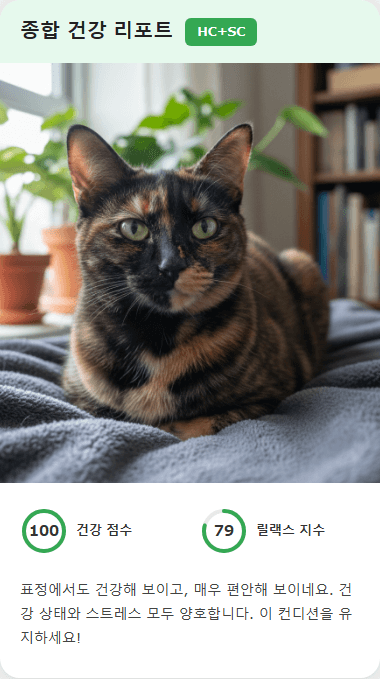

이런 증상, 혹시 걱정되시나요?
혼자 고민하지 마세요. CatsMe의 AI가 고양이 사진을 분석해 건강 이상 신호를 몇 초 만에 알려드립니다.
50개국 380,000명 이상의 보호자가 사용 중


Comparing Symptoms of the Three Major Causes
| | Kidney Disease (CKD) | Diabetes (DM) | Hyperthyroidism |
|---|---|---|---|
| Common age | 7+ years | 7+ years | 8+ years |
| Water intake | Moderate-severe increase | Severe increase | Moderate increase |
| Appetite | Decreased | Increased (early) | Markedly increased |
| Weight | Gradual loss | Loss despite eating | Rapid loss despite eating |
| Vomiting | Increases with progression | Occasional | Present |
| Key symptoms | Bad breath (uremic) | Hind leg weakness | Hyperactivity, vocalization |
| Coat | Dull, unkempt | Dry | Dull, hair loss |
Differentiation tips:
- "Eating well but losing weight" → Suspect diabetes or hyperthyroidism
- "Eating less and losing weight" → Kidney disease is more likely
- "Unusually hyperactive for their age" → Characteristic of hyperthyroidism (elderly cats behaving like kittens)
- "Hind legs seem weak or wobbly" → Diabetic neuropathy
Important: These conditions frequently coexist. The combination of kidney disease and hyperthyroidism is particularly common in elderly cats.
Required Tests & Diagnostic Workflow
Step 1: Basic tests (performed on all cats)
- Blood chemistry panel: ¥5,000-10,000
- BUN/Creatinine → Kidney function assessment
- Blood glucose → Diabetes screening
- SDMA → Early kidney disease marker (see bloodwork guide)
- Urinalysis: ¥3,000-5,000
- Urine specific gravity → Evaluates kidney concentrating ability (below 1.035 is suspicious)
- Urine glucose → Diabetes confirmation
- Urine protein → Kidney disease progression assessment
Step 2: Additional tests (based on basic results)
- Thyroid hormone (T4): ¥3,000-5,000 → Confirms hyperthyroidism
- Fructosamine: ¥3,000-5,000 → Average blood glucose over 2-3 weeks (distinguishes from stress hyperglycemia)
- Abdominal ultrasound: ¥5,000-15,000 → Evaluates kidney size/shape, pancreas condition
- Blood pressure: ¥1,000-3,000 → Hypertension common in kidney disease and hyperthyroidism
Estimated total costs: Basic tests ¥10,000-15,000; with additional tests ¥20,000-40,000.
For cats over 7 years old, annual blood work and urinalysis are strongly recommended even without symptoms.
How to Accurately Measure Water Intake & Daily Monitoring
"They seem to be drinking more" isn't specific enough for veterinary assessment. Recording exact numbers is essential.
How to measure water intake:
1. Use a measuring cup to put a known amount in the water bowl (e.g., 300ml)
2. After 24 hours, measure remaining water (e.g., 150ml remaining → 150ml consumed)
3. Repeat for 3 days and calculate the average
4. Divide by body weight (150ml ÷ 4kg = 37.5ml/kg → within normal range)
Tips for accurate measurement:
- Account for evaporation by placing an identical bowl of water that the cat cannot access, in the same room
- If using a water fountain, temporarily switch to a regular bowl during the measurement period
- In multi-cat households, isolate cats individually for accurate measurement
- Factor in moisture from wet food (typically 75-80% water content)
Other monitoring points:
- Check the size and number of urine clumps in the litter box daily
- Weigh your cat weekly
- Record appetite changes
- Track vomiting frequency
Providing this data to your veterinarian dramatically improves diagnostic accuracy.
Home Care & When to Wait: Observation Points Before the Vet Visit
When you first notice your cat drinking more than usual, the key question is whether to visit the vet immediately or gather information at home first. Here is a structured approach.
Start by checking these at home:
- Measure water intake accurately for three consecutive days using the method described in the measurement section above. Without concrete numbers, even the best veterinarian cannot determine whether the increase is clinically significant.
- Consider whether any recent dietary changes have occurred — switching from wet to dry food naturally increases water consumption and may explain the change entirely.
- Account for seasonal and environmental factors. Cats drink more in hot weather and in homes with dry heating during winter.
- Evaluate recent stressors such as moving to a new home, the addition of a new pet, or changes in household routine, which can temporarily alter drinking patterns.
- Check the litter box daily — if urine clumps have become noticeably larger or more numerous, this corroborates increased water intake.
See a vet within 48 hours if:
- Measured water intake exceeds 60ml per kilogram of body weight per day
- Weight loss accompanies the increased drinking
- Appetite has changed in either direction — markedly increased or decreased
- Urine appears very pale or nearly colorless, indicating the kidneys are not concentrating urine properly
Seek emergency care if:
- Frequent vomiting occurs alongside excessive drinking
- The cat is lethargic or barely moving
- An ammonia-like odor is present on the cat's breath, which may indicate uremic toxin buildup from advanced kidney failure
- The hind legs appear weak or the cat walks with a flat-footed, plantigrade stance, suggesting diabetic neuropathy
- Dramatic weight loss has occurred over a short period
Information to prepare before your appointment:
- Three-day water intake measurement data with your cat's current weight
- Notes on litter box changes — urine volume, frequency, and color
- Current diet details and any recent food changes
- The cat's age, breed, and medical history
Arriving at the clinic with this information already compiled dramatically accelerates the diagnostic process and helps the veterinarian reach an accurate direction during the very first visit.
Age-Specific Risks for Excessive Drinking in Cats
The likely cause of excessive drinking varies dramatically depending on the cat's age, and understanding these patterns guides both diagnostic priorities and prevention strategies.
Ages 1 to 6 (young adult cats):
Polydipsia and polyuria are relatively uncommon in young cats, which means any genuine increase warrants prompt investigation rather than dismissal. Potential causes in this age group include congenital kidney diseases such as polycystic kidney disease (especially in Persian and Persian-cross cats), juvenile-onset diabetes, and the rare condition diabetes insipidus. Burmese cats carry a genetic predisposition to diabetes mellitus. If unexplained excessive drinking persists in a young cat after ruling out dietary and environmental explanations, advanced diagnostic testing is recommended.
Ages 7 to 10 (middle-aged cats):
This is the age range where the three major causes of polydipsia begin appearing in significant numbers. Diabetes mellitus risk escalates sharply in overweight cats, making weight management the most powerful preventive measure available. Hyperthyroidism incidence climbs steeply after age 8. Early-stage chronic kidney disease (IRIS Stage 1-2) may already be developing but is easy to overlook because symptoms are still mild and the cat appears outwardly healthy. Annual wellness screening including blood chemistry and urinalysis becomes essential starting at age 7.
Ages 11 and older (senior cats):
Chronic kidney disease is the most prevalent diagnosis, affecting approximately 30 percent of cats over 15 years old. Concurrent hyperthyroidism and kidney disease is extremely common and creates a complex treatment balancing act. Diabetes may also coexist, requiring multi-disease management. Twice-yearly health screenings are recommended for this age group, as conditions can progress rapidly.
Important clinical note: Hyperthyroidism increases blood flow to the kidneys, which can artificially mask declining kidney function on blood tests. When hyperthyroidism is treated and thyroid levels normalize, previously hidden kidney disease may become apparent. Simultaneous monitoring of both thyroid and renal function is critical in any elderly cat undergoing hyperthyroid treatment.
Prevention & Long-Term Management: Treatment Overview for Each Condition
Once the underlying cause of excessive drinking is identified, disease-specific long-term management begins. Here is an overview of what each condition requires.
Chronic Kidney Disease (CKD) management:
- Transition to a renal prescription diet with restricted phosphorus and moderate protein content. This single intervention is the most evidence-based treatment for slowing CKD progression.
- Regular subcutaneous fluid therapy, which many owners learn to administer at home after veterinary training. This helps maintain hydration and support remaining kidney function.
- Phosphorus binders to reduce phosphorus absorption from food.
- Blood pressure monitoring and management — hypertension accelerates kidney damage and can cause retinal detachment leading to sudden blindness.
- Follow-up schedule: blood chemistry and urinalysis every three to six months.
- Estimated monthly cost: approximately ¥10,000 to ¥30,000.
Diabetes mellitus management:
- Twice-daily insulin injections administered at home by the owner. Most cat owners become comfortable with the injection technique within the first week.
- A high-protein, low-carbohydrate diet that helps regulate blood glucose levels.
- Weight management is especially important because diabetes caused by obesity may enter remission if the cat returns to a healthy weight.
- Blood glucose monitoring through periodic fructosamine tests or blood glucose curves performed at the clinic or at home with a pet glucometer.
- Follow-up schedule: monthly blood glucose assessment during stabilization, then every two to three months.
- Estimated monthly cost: approximately ¥15,000 to ¥30,000 including insulin and monitoring.
Hyperthyroidism management:
- Lifelong oral anti-thyroid medication (methimazole), typically administered twice daily.
- Alternatively, radioactive iodine therapy provides a permanent cure with a single treatment but carries a higher upfront cost of ¥200,000 to ¥400,000.
- Iodine-restricted prescription diets (such as Hill's y/d) offer a non-pharmaceutical management option for some cats.
- Follow-up schedule: thyroid hormone levels plus kidney function assessment every three to six months.
- Estimated monthly cost: approximately ¥5,000 to ¥15,000.
For all three conditions, early detection and early treatment dramatically improve long-term outcomes. Annual or twice-yearly wellness screening remains the most effective preventive strategy available.
Track Water Intake & Health Changes Daily with CatsMe
Managing polydipsia/polyuria depends entirely on consistent daily recording. Use the CatsMe app to centrally track water intake, weight, and appetite changes.
What CatsMe can do for you:
- AI facial expression analysis detects dehydration and illness early — dehydration from kidney disease or diabetes manifests in facial changes
- Water intake, weight & appetite trend tracking — Visualize changes over weeks to months with clear graphs. See exactly 'when the increase started'
- Symptom checker — Enter 'excessive drinking,' 'frequent urination,' or 'weight loss' to identify possible causes and urgency
- Vet-ready health reports — Share water intake trends, weight changes, and appetite records with your veterinarian in one tap
Whether it's kidney disease, diabetes, or hyperthyroidism, long-term monitoring is the key to successful treatment. Daily records protect your cat's life.
Try CatsMe now →
수의사에게 '언제부터 그랬나요?'라고 물으면 답할 수 있으신가요?
수의사 앞에서 막막해하지 마세요. CatsMe가 매일 건강 점수를 자동으로 기록하고, 탭 한 번으로 공유할 수 있습니다.
多飲多尿腎臓病糖尿病甲状腺飲水量尿量シニア猫
FAQ
 CatsMe
이상을 느꼈을 때, 바로 행동할 준비를
사진 한 장이면 AI가 고양이의 표정에서 통증과 건강 상태를 읽어냅니다. 걱정되는 순간 바로 확인하고, 기록은 수의사와 공유하세요.