

Why Don't Cats Drink Enough? Understanding the Reasons
The domestic cat's ancestor is the Libyan wildcat, native to the deserts of North Africa. Evolving in an arid environment, these cats obtained most of their moisture from prey and never developed a strong thirst drive.
This trait persists in modern house cats, meaning those on a dry-food-only diet are chronically prone to inadequate hydration.
Risks of Insufficient Water Intake
- Dehydration
- Urinary stones / FLUTD (feline lower urinary tract disease)
- Constipation
- Worsening of chronic kidney disease
A cat needs roughly 40-60 ml of water per kilogram of body weight daily. A 4 kg cat requires about 160-240 ml, though cats eating wet food get a significant portion from their meals.
If your cat's urine is dark yellow, water intake is likely insufficient. Pale yellow to nearly colorless is ideal. Monitor your cat's drinking habits regularly.
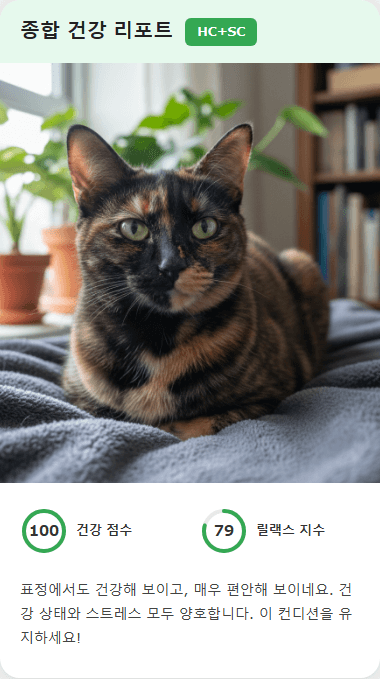

문제가 생기기 전에 미리 발견하세요
매일의 건강 기록이 조기 발견을 가능하게 합니다. CatsMe가 자동으로 변화를 추적해 작은 이상도 놓치지 않습니다.
50개국 380,000명 이상의 보호자가 사용 중


10 Practical Ways to Boost Your Cat's Water Intake
1. Install a Water Fountain
Many cats prefer running water, and a fountain can noticeably increase intake.
2. Set Up Multiple Water Stations
Place 3-5 water bowls in different locations throughout the home — at least one per floor.
3. Separate Food and Water
Cats instinctively avoid water near their food (in the wild, water near prey may be contaminated). Keep bowls at least 1 meter apart.
4. Switch to or Add Wet Food
Wet food is approximately 70-80% water, compared with only 10% for dry kibble.
5. Add Lukewarm Water to Dry Food
Just 1-2 tablespoons of warm water on kibble boosts fluid intake easily.
6. Try Different Bowl Materials
Plastic bowls can absorb odors that some cats dislike. Experiment with ceramic, glass, or stainless steel.
7. Replace Water Daily
Cats dislike stale water. Refresh bowls twice a day if possible.
8. Use Wide, Shallow Bowls
Deep, narrow bowls that press against whiskers cause discomfort (whisker fatigue).
9. Offer Cat-Safe Broth
A small splash of unseasoned chicken broth or cat-specific tuna soup adds flavor and encourages drinking.
10. Float Ice Cubes
Some cats are intrigued by floating ice and drink while playing with it — especially effective in summer.
Monitoring Water Intake & Important Cautions
How to Measure Intake
Use a measuring cup to pour a set amount of water into the bowl, then measure what remains the next day. In multi-cat homes, individual tracking is difficult, so observe each cat's urine volume and color instead.
A Sudden Increase in Drinking Is a Red Flag
Excessive thirst (polydipsia) paired with increased urination (polyuria) can signal:
- Chronic kidney disease
- Diabetes
- Hyperthyroidism
If your cat's water intake doubles from its usual amount, have a veterinary exam promptly.
What to Avoid
- Cow's milk as a water substitute (most adult cats are lactose-intolerant and will get diarrhea)
- Hard mineral water (high mineral content may increase the risk of urinary stones)
- Flavored beverages (sugar and artificial sweeteners are harmful to cats)
Hydration is the foundation of feline health. For senior cats and those with kidney issues, day-to-day water management is a critical factor in slowing disease progression.
Practical Application: Hydration Strategies Tailored to Your Lifestyle
Successful hydration requires choosing methods that fit comfortably into the owner's daily routine. Below are practical hydration plans designed for real-world lifestyles.
Single or Dual-Income Households
When the house is empty during the day, a water fountain is the single most effective investment. Flowing water stays fresher than standing water and naturally attracts feline curiosity. Pair it with a routine of wet food before leaving for work and another wet-food meal upon returning home.
For Cats That Refuse Wet Food
Some cats stubbornly reject wet food no matter what. In that case, try adding two to three tablespoons of lukewarm water to dry kibble to create a "soup meal." Start with a small amount and increase gradually as the cat accepts the new texture.
Seasonal Adjustments
Summer heat elevates the risk of dehydration. Add one or two extra water stations beyond the usual number and offer bowls with floating ice cubes for cooling enrichment. In winter, some cats avoid ice-cold water, so provide water at room temperature.
Hydration During Travel and Boarding
Water intake must not be overlooked during pet hotel stays or carrier transport. Carry a spill-resistant water bottle for the journey and offer fresh water immediately upon arrival at the destination.
Expert Tips: Hydration Points That Are Easily Overlooked
Veterinarians and feline nutrition specialists highlight several commonly overlooked hydration factors that can make a significant difference in your cat's water intake.
The Psychology of Bowl Placement
Cats tend to avoid water placed near the litter box. Many cats also dislike drinking while facing a wall. Position bowls away from corners, slightly out from the wall, in spots where the cat can survey its surroundings while drinking.
Water Temperature Matters
Most cats prefer water at room temperature or slightly warm. Water straight from the refrigerator may go untouched, so let it reach ambient temperature. Conversely, some cats enjoy slightly chilled water in summer — observe individual preferences.
Reuse Wet-Food Juices
The liquid left in wet-food cans or pouches is a flavor goldmine. Instead of discarding it, mix the juice with a small amount of fresh water and offer it as a flavored drink. Many cats that ignore plain water will lap this up eagerly.
Water Station Strategy for Multi-Cat Homes
In multi-cat households, territorial dynamics can cause one cat to monopolize a water station, deterring others. Provide one more water point than the number of cats, spread across different rooms, so every cat has a stress-free drinking spot.
Daily Urine Color Checks
Build a habit of checking urine color during litter box cleaning. Pale yellow is ideal. Persistently dark yellow warrants a review of hydration strategies, while orange-tinged or reddish urine requires an immediate veterinary visit.
When to Seek Professional Help for Dehydration
Even with diligent daily hydration management, cats can become dehydrated. Recognizing the signs early and seeking veterinary care promptly can prevent a minor issue from becoming a medical emergency.
At-Home Dehydration Checks
- Skin tent (turgor) test: Gently pinch and lift the skin between the shoulder blades, then release. In a well-hydrated cat the skin snaps back instantly; in a dehydrated cat it returns slowly
- Gum color and moisture: Healthy gums are pink and moist. Dehydration makes them dry and pale
- Eye appearance: Advanced dehydration causes the eyes to appear sunken
When to Visit the Vet Immediately
- The cat has not drunk water for more than 24 hours
- Ongoing vomiting or diarrhea
- Skin tent takes longer than three seconds to flatten
- The cat is limp and unresponsive
- Urine output is noticeably reduced
Veterinary Dehydration Treatment
Mild dehydration can be corrected with subcutaneous fluids, but severe cases may require hospitalization and intravenous fluid therapy. Cats with chronic kidney disease are chronically prone to dehydration, and veterinarians may recommend regular at-home subcutaneous fluid administration under professional guidance.
Whenever something feels off, resist the urge to "wait and see." Early intervention speeds recovery and protects your cat's kidneys and overall health.
Long-Term Hydration Management
Feline hydration management is a matter of small daily habits compounding into long-term health gains. As kidney function naturally declines with age, water intake becomes one of the most consequential aspects of a cat's care plan.
Age-Specific Hydration Guidelines
- Kittens (under 1 year): After weaning, keep a water bowl nearby at all times. A mix of wet and dry food provides balanced hydration
- Adult cats (1-7 years): Maintain a higher ratio of wet food to help prevent FLUTD
- Senior cats (7+ years): As chronic kidney disease risk climbs, actively push water intake higher. Schedule regular blood panels to monitor renal function
Track and Trend Water Intake
Measure and record water consumption once a week. Sudden increases or decreases are often early signals of illness. Using a smartphone note app or a health tracking tool simplifies reporting to your veterinarian during checkups.
Quarterly Hydration Environment Review
Every three months, audit the hydration setup. Check bowl placement, count, material, and the condition of fountain filters. Cats' preferences can shift subtly over time, and a periodic review catches problems before they lead to reduced intake.
A Whole-Family Effort
Water changes and wet-food preparation are best shared among all household members. To prevent the "I thought someone else did it" trap that leads to stale water, create a simple rotation chart. Consistent hydration management is a team effort, and the cat's health depends on everyone contributing.
수의사에게 '언제부터 그랬나요?'라고 물으면 답할 수 있으신가요?
수의사 앞에서 막막해하지 마세요. CatsMe가 매일 건강 점수를 자동으로 기록하고, 탭 한 번으로 공유할 수 있습니다.
水分補給飲水量給水器脱水予防ウェットフード
FAQ
 CatsMe
이상을 느꼈을 때, 바로 행동할 준비를
사진 한 장이면 AI가 고양이의 표정에서 통증과 건강 상태를 읽어냅니다. 걱정되는 순간 바로 확인하고, 기록은 수의사와 공유하세요.