

The Bottom Line: Enroll While Your Cat Is Young and Healthy
Veterinary bills for cats can add up fast — a single hospitalization can run $700 to $2,000, and surgeries $1,500 to $3,500 or more. Pet insurance is most advantageous when you sign up while your cat is young and healthy.
Premiums climb with age, and pre-existing conditions are excluded from coverage. Many plans won't even accept cats older than 7, so it's wise to explore your options sooner rather than later.
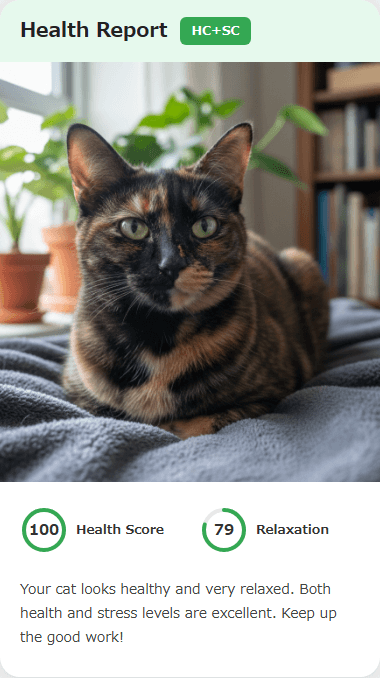

Catch problems before they start
Daily health tracking makes early detection possible. CatsMe logs changes automatically so small shifts don't slip past you.
Meer dan 380.000 katteneigenaren in 50 landen vertrouwen op CatsMe


Key Coverage Factors to Compare
Reimbursement rate: Most plans offer 50% or 70% reimbursement. The 70% option costs more per month but leaves you with lower out-of-pocket expenses when you actually file a claim.
What's covered:
- Office visits: May have per-visit caps or annual visit limits
- Hospitalization: Usually subject to daily and annual caps
- Surgery: Per-incident cap plus annual frequency limits
Watch out for:
- Deductibles: Some plans require $50 to $250 per incident out of pocket before coverage kicks in
- Waiting periods: Coverage typically doesn't start until 14 to 30 days after enrollment
- Annual limits: Total payout caps per year (commonly $5,000 to $15,000)
- Renewal conditions: Some insurers may exclude conditions that arose during the previous policy period
Common Exclusions (What's NOT Covered)
Excluded by virtually all plans:
- Preventive care (vaccines, wellness exams, flea/tick prevention)
- Spay/neuter surgery
- Congenital conditions (though some plans offer coverage)
- Dental procedures (only a handful of plans cover these)
- Pre-existing conditions
- Supplements and prescription diets
Varies by insurer:
- Patellar luxation (uncommon in cats)
- Intervertebral disc disease
- Certain hereditary conditions
- Alternative therapies (acupuncture, herbal medicine)
Important: You're required to disclose your cat's medical history when enrolling. Failing to do so honestly can result in denied claims down the line.
Choosing a Plan Based on Your Cat's Age
Kittens to age 3: Premiums are at their lowest. A 70% reimbursement plan is a great choice. Young cats are prone to accidents and foreign body ingestion.
Ages 4–6: Premiums are still reasonable. This is the best window to lock in coverage before chronic diseases develop.
Age 7+: Premiums are higher, but so is the risk of illness. Look for plans with generous per-visit and hospitalization caps. Compare senior-specific options.
Tips for choosing wisely:
1. Don't just compare monthly premiums — look at how much you'll actually get back when you file a claim
2. Check the renewal terms carefully (will conditions from the previous year be excluded?)
3. Get quotes from multiple providers
4. Read the policy's fine print, not just online reviews
Routine health exams aren't covered by insurance, but early detection of disease through regular checkups can save you significantly in the long run.
Common Misconceptions About Pet Insurance
Let's correct some widespread myths about pet insurance that lead to poor decisions.
"Young cats don't need insurance": Paradoxically, young cats face the highest risk for accidents — foreign body ingestion, falls from windows, and household hazard encounters are most common in the first few years. Enrolling young also locks in the lowest possible premiums with no pre-existing condition exclusions.
"You never get your money back": Pet insurance is protection against catastrophic costs, not an investment. A single surgical emergency can cost $1,500 to $3,500 or more. Without insurance, that bill hits all at once. Whether insurance is "worth it" depends on your financial cushion — if you can comfortably absorb a $5,000 emergency expense, self-insuring is reasonable. For most families, the monthly premium buys peace of mind that's hard to put a price on.
"All pet insurance is basically the same": Reimbursement rates, per-incident limits, annual caps, and renewal terms vary dramatically between providers. The most critical difference is renewal policy — some insurers exclude conditions that arose during the previous policy year, effectively punishing you for actually using the insurance. Always read this clause before committing.
"Coverage starts the day I sign up": Nearly all plans impose a waiting period of 14 to 30 days before coverage begins. Illnesses or injuries during this window are not covered and may be classified as pre-existing conditions for the life of the policy. Timing your enrollment before problems arise — not after — is essential.
Practical Tips & How-To: Pet Insurance Shopping Checklist
Use this checklist to make an informed insurance decision you won't regret.
Five critical comparison points:
1. Reimbursement rate: Is 50% or 70% right for you? For breeds prone to expensive conditions (large breeds, those with genetic predispositions), 70% offers meaningfully better protection
2. Per-visit and annual limits: Check the maximum payout per office visit and the total number of visits covered per year. Chronic conditions like kidney disease or diabetes require frequent vet visits that quickly hit low caps
3. Renewal terms: The single most important clause in the policy. Avoid any plan that excludes conditions diagnosed during the previous policy year — this effectively penalizes you for filing claims
4. Deductible: The out-of-pocket amount per incident. A high deductible means minor vet visits won't meet the threshold for reimbursement
5. Excluded treatments: Verify whether dental care, congenital conditions, and alternative therapies are covered or excluded
Claim process convenience matters more than you'd expect. Plans offering direct vet billing (where you pay only your copay at the clinic) save significant hassle compared to submit-and-wait reimbursement models.
Get quotes from multiple providers and compare at least three plans before making a decision. The 30 minutes you spend comparing could save you thousands over your cat's lifetime.
CatsMe Health Tracking for Insurance & Cost Management
CatsMe helps you maximize your insurance benefits and keep medical costs under control.
Medical expense tracking: Log the cost of every vet visit in CatsMe. Annual expense summaries let you objectively evaluate whether your insurance plan is providing good value — data that's invaluable when it's time to renew or switch providers.
Insurance details storage: Save your insurance company name, policy number, coverage details, and renewal date in the app. Having this information instantly accessible during vet visits and when filing claims eliminates the frustrating search through emails and paperwork.
Preventive care scheduling: Set reminders for routine health exams. Preventive care — the one thing insurance typically doesn't cover — is paradoxically the most effective way to reduce long-term medical costs. Regular checkups catch problems when they're cheap to treat instead of expensive to manage.
Claims documentation: Maintain detailed records of symptom onset dates, visit dates, treatments, and costs. This documentation makes the claims process dramatically smoother. When your insurer asks for the date of first onset for a condition, you can provide an exact answer backed by data — preventing claim delays or denials caused by incomplete information.
Kun je antwoorden op "sinds wanneer is dit aan de gang?"
Als de dierenarts het vraagt, wil je niet met lege handen staan. CatsMe registreert automatisch dagelijkse gezondheidsscores die je met één tik kunt delen.
ペット保険医療費保険選び猫の飼い方
FAQ
 CatsMe
Wees voorbereid op het moment dat je voelt dat er iets niet klopt
Eén foto is genoeg: de AI leest pijn en gezondheid af aan de uitdrukking van je kat. Controleer op het moment dat je twijfelt en deel het logboek met je dierenarts.