

The Bottom Line: Nighttime Yowling, Litter Box Accidents & Wandering May Signal Dementia — But Rule Out Other Diseases First
Nighttime yowling, litter box accidents, and aimless wandering in senior cats are hallmark signs of cognitive dysfunction syndrome (CDS), the feline equivalent of dementia. Research indicates that approximately 28% of cats aged 11 to 14 and over 50% of cats aged 15 and older show at least one sign of cognitive decline.
However, these same symptoms can be caused by hyperthyroidism, chronic kidney disease, high blood pressure, brain tumors, and pain from arthritis. This overlap makes differential diagnosis essential. Before attributing behavioral changes to dementia, your veterinarian must run blood work, urinalysis, blood pressure measurement, and thyroid hormone testing to rule out treatable medical conditions.
The most dangerous phrase in senior cat care is "it's just old age." Many symptoms that owners accept as inevitable aging are actually caused by treatable diseases. Even when CDS is confirmed, environmental modifications and supportive therapies can meaningfully improve your cat's quality of life and slow cognitive decline. Consulting a veterinarian at the first sign of behavioral change gives your cat the best chance at effective intervention.
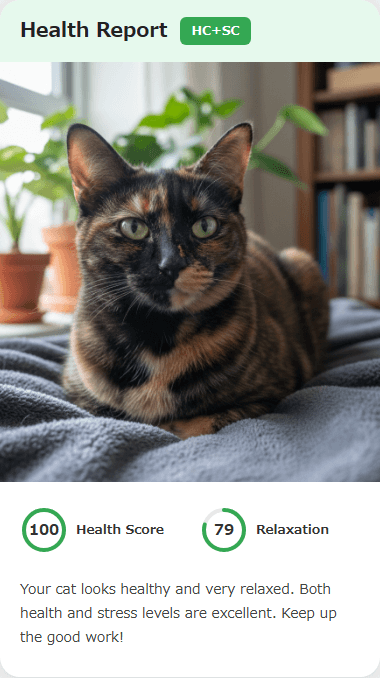

For senior cats, every day matters
Subtle changes can signal serious issues in older cats. CatsMe tracks behavior, appetite, and health scores so you can act fast.
Över 380 000 kattägare i 50 länder litar på CatsMe


The DISHA Framework: Five Categories of Cognitive Dysfunction Symptoms
Veterinary behaviorists use the DISHA acronym to systematically assess cognitive dysfunction in cats. Understanding each category helps owners identify changes they might otherwise overlook.
D — Disorientation
The cat appears lost or confused in familiar surroundings. They may stare at walls, get stuck in corners, wander into rooms and seem unsure why they are there, or fail to recognize family members. Some cats stand at the wrong side of a door, seemingly forgetting how doors work.
I — Interaction Changes
Social relationships shift. Previously affectionate cats may become withdrawn and avoid contact, while independent cats may become unusually clingy and anxious when separated from their owner. Some cats alternate between both extremes.
S — Sleep-Wake Cycle Disruption
This is often the most noticeable and distressing symptom for owners. The cat reverses their day-night cycle, sleeping excessively during the day and becoming active, vocal, and restless at night. Persistent nighttime yowling, often described as a loud, haunting cry, is a classic CDS presentation.
H — House Soiling
The cat urinates or defecates outside the litter box despite previously reliable habits. This occurs not from spite or laziness but because the cat genuinely forgets where the litter box is located or cannot navigate to it in time.
A — Activity Changes
Aimless pacing or wandering (especially in repetitive patterns), prolonged staring into space, reduced interest in play or grooming, and an overall decrease in purposeful activity. Some cats develop repetitive behaviors such as circling.
If your cat displays changes in two or more DISHA categories, a veterinary evaluation for cognitive dysfunction is warranted.
Diagnosis: Ruling Out Treatable Conditions That Mimic Dementia
CDS is a diagnosis of exclusion, meaning it can only be confirmed after other conditions that produce identical symptoms have been investigated and ruled out. This diagnostic process is critical because many of the mimicking conditions are highly treatable.
Conditions That Mimic CDS
- Hyperthyroidism: Causes nighttime vocalization, restlessness, weight loss, and behavioral changes. Diagnosed with a simple blood test (T4 level) and very effectively treated.
- Chronic kidney disease: Causes increased thirst, litter box changes, lethargy, and appetite loss. Detected through blood work and urinalysis.
- Hypertension (high blood pressure): Can cause disorientation, nighttime yowling, sudden blindness, and behavioral changes. Diagnosed with a blood pressure measurement.
- Pain from arthritis: Causes reluctance to move, litter box avoidance (the box is too hard to climb into), and changes in social behavior. Often underdiagnosed in cats.
- Brain tumors: Can cause disorientation, circling, seizures, and personality changes. Diagnosed via MRI.
Standard Diagnostic Workup
- Complete blood panel including thyroid hormones
- Urinalysis with specific gravity
- Blood pressure measurement
- Physical and neurological examination
- MRI or CT scan if indicated
Never dismiss behavioral changes as irreversible aging without pursuing diagnostics. An online consultation allows you to describe symptoms and receive guidance on which tests are most appropriate.
Home Care & Practical Tips: Creating a Supportive Environment
While there is no cure for cognitive dysfunction syndrome, a comprehensive home care strategy can significantly slow progression and maintain your cat's comfort and dignity. These environmental modifications have the strongest evidence base for improving quality of life in CDS cats.
1. Maintain Environmental Consistency
Do not rearrange furniture, change the cat's routine, or relocate their essential resources. A confused cat relies heavily on spatial memory and familiar patterns. Even well-intentioned changes can trigger acute distress.
2. Increase Litter Box Accessibility
Place a litter box in every room your cat frequents. Use low-entry boxes that a stiff, arthritic senior can step into easily. A cat that cannot find or reach the litter box in time will have accidents regardless of cognitive status.
3. Nighttime Management
Install nightlights in hallways and near litter boxes to help disoriented cats navigate in the dark. A gentle play session and a small meal before bedtime can help regulate the sleep-wake cycle. White noise machines may also reduce nighttime anxiety.
4. Cognitive Stimulation
Keep the aging brain active with puzzle feeders, brief interactive play sessions, novel scents (catnip, silvervine), and gentle social interaction. Mental engagement does not reverse cognitive decline, but it helps maintain existing function.
5. Nutritional Support
Under veterinary guidance, supplements including DHA/EPA (omega-3 fatty acids), SAMe (S-adenosylmethionine), vitamin E, and medium-chain triglycerides (MCTs) may support brain health. Brain-health prescription diets are also available.
Track symptoms and their severity using the CatsMe app, and share this data with your veterinarian during online consultations to monitor progression over time.
What the Vet Will Do: Treatment Options & Medications for CDS
Veterinary treatment for CDS combines pharmacological support with the environmental modifications described above. While no medication can reverse cognitive decline, several options can slow progression and manage distressing symptoms.
Medications
- Gabapentin: Increasingly used in feline geriatric medicine for anxiety reduction and mild sedation. It can help with nighttime restlessness and vocalization.
- Selegiline (Anipryl): A monoamine oxidase B inhibitor approved for canine cognitive dysfunction. Evidence in cats is limited but some veterinarians prescribe it off-label with reported benefits.
- Anti-anxiety medications: Buspirone or trazodone may be prescribed for cats with severe anxiety-related symptoms.
- Melatonin: May help normalize disrupted sleep-wake cycles. Dosing should be determined by your veterinarian.
Supplements with Evidence
- SAMe (S-adenosylmethionine): Provides antioxidant protection for brain cells and supports neurotransmitter function.
- DHA/EPA (omega-3 fatty acids): Support neuronal membrane integrity and have anti-inflammatory properties.
- Vitamin E: Antioxidant neuroprotection.
- Medium-chain triglycerides (MCTs): Provide an alternative energy source for aging brain cells that have reduced ability to utilize glucose.
Typical Costs (Japan)
- Supplements: 2,000 to 5,000 yen per month
- Medications: 3,000 to 10,000 yen per month
- Follow-up exams: Every 3 to 6 months (5,000 to 15,000 yen)
Treatment plans are individualized based on the cat's specific symptoms and progression rate. Online consultations allow you to share updates and adjust the plan without stressful clinic visits.
Caregiver Well-Being & Long-Term Outlook for CDS Cats
Caring for a cat with cognitive dysfunction is emotionally and physically demanding. The nighttime disruptions, cleaning up accidents, and watching a beloved companion's personality change can take a significant toll on your well-being. Taking care of yourself is not selfish, it is essential.
Managing Caregiver Stress
- For severe nighttime yowling, use earplugs, a white noise machine, or consider confining the cat to a safe, comfortable room away from the bedroom (with litter box, water, and a night light).
- Release the expectation of perfection. Litter box accidents are not willful behavior, your cat is confused and struggling as much as you are.
- Do not carry the burden alone. Lean on your veterinarian, family members, and pet care professionals for support.
- Online communities of owners caring for senior cats with CDS provide valuable emotional support and practical advice.
Long-Term Prognosis
- The rate of CDS progression varies enormously between individual cats.
- Many cats maintain reasonable quality of life for 1 to 3 years or longer after diagnosis with appropriate management.
- Symptoms progress gradually, allowing time to adjust care plans. Regular veterinary check-ins ensure treatment stays aligned with the cat's current needs.
- Quality of life should always take priority over quantity of days.
Quality of Life Assessment
- Does your cat still enjoy food and treats?
- Do they respond to your presence and show recognition?
- Are distressing symptoms (constant crying, inability to rest) manageable?
- Do good days outnumber bad days?
Your dedication to your cat's comfort during this challenging phase makes an enormous difference. The care you provide sustains their quality of life in ways that no medication alone can achieve.
Prevention & Brain Health: What You Can Do Starting Now
While CDS cannot be completely prevented, maintaining brain health throughout your cat's life can delay onset and slow progression. Prevention starts long before the senior years.
Strategies for Lifelong Brain Health
- Continuous mental stimulation: Rotate toys regularly, use puzzle feeders for meals, introduce new scents and textures, and maintain daily interactive play sessions throughout your cat's life. A stimulated brain builds cognitive reserve.
- Encourage physical activity: Regular exercise maintains cerebral blood flow and supports neuronal health. Even gentle play sessions are valuable for older cats.
- Optimize nutrition: Choose foods rich in antioxidants and omega-3 fatty acids. DHA in particular supports neuronal membrane health. Some senior diets include brain-health ingredients like MCTs, vitamin E, and L-carnitine.
- Maintain social engagement: Regular interaction with family members and a low-stress home environment support emotional and cognitive well-being. Social isolation is a risk factor for cognitive decline in many species.
- Proactive veterinary care: Early detection and treatment of conditions that damage the brain indirectly, such as hypertension, hyperthyroidism, and kidney disease, protects cognitive function. Uncontrolled high blood pressure, for example, damages brain microvasculature and accelerates cognitive decline.
Brain health is built through years of consistent, small daily investments. Starting these habits well before the senior years gives your cat the best foundation for maintaining sharp cognition into old age.
Kan du svara på "när började det här?"
När veterinären frågar, stå inte svarslös. CatsMe registrerar automatiskt dagliga hälsopoäng som du kan dela med en knapptryckning.
認知症認知機能不全夜鳴きシニア猫
Related Symptoms
FAQ
 CatsMe
Var redo att agera i samma ögonblick du känner att något inte stämmer
En bild räcker: AI:n läser av smärta och hälsa i kattens ansiktsuttryck. Kontrollera i stunden du blir orolig och dela loggen med veterinären.