

The Bottom Line: Twice-Yearly Checkups and Lifestyle Adjustments Start at Age 7
Cats enter their senior years at age 7 — roughly equivalent to a human in their mid-40s. From this point onward, the risk of age-related diseases climbs steeply: chronic kidney disease (CKD), hyperthyroidism, arthritis, diabetes, dental disease, and cancer all become increasingly common. The good news is that many of these conditions are manageable — and some are even reversible — when caught early through twice-yearly wellness exams that include blood work, urinalysis, and blood-pressure measurement.
After age 11, cats are classified as "super seniors," and the care they need becomes more nuanced. Roughly 30 % of cats over 15 have chronic kidney disease, and arthritis affects an estimated 90 % of cats over 12 (though it is dramatically under-diagnosed because cats hide pain so effectively). Adjusting diet, activity, and the home environment to match your cat's changing needs is not optional — it is the single most impactful thing you can do to extend both lifespan and quality of life.
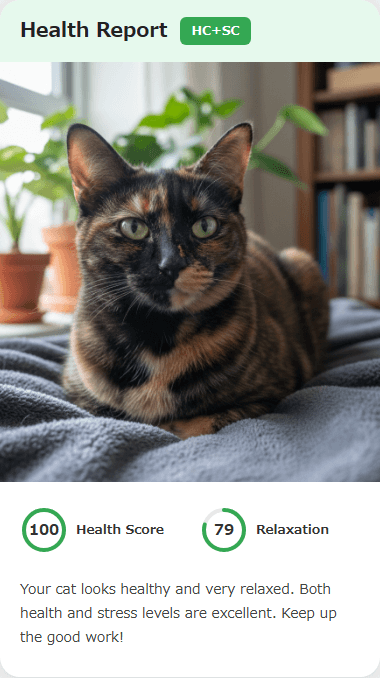

For senior cats, every day matters
Subtle changes can signal serious issues in older cats. CatsMe tracks behavior, appetite, and health scores so you can act fast.
Över 380 000 kattägare i 50 länder litar på CatsMe


Age-by-Age Disease Risks in Senior Cats
Knowing which diseases to watch for at each life stage helps you and your vet focus screening efforts where they matter most.
Ages 7–10 (mature senior)
- Dental disease: Approximately 70 % of cats in this age bracket have some degree of periodontal disease. Left untreated, it causes chronic pain, appetite loss, and even systemic organ damage.
- Obesity: Activity levels drop, but many owners continue feeding the same portions. Excess weight stresses joints and dramatically increases diabetes risk.
- Hyperthyroidism: The most common endocrine disease in older cats. Classic signs: weight loss despite a ravenous appetite, restlessness, and a fast heart rate.
Ages 11–14 (senior)
- Chronic kidney disease (CKD): The leading cause of illness and death in older cats. Early stages are detectable only through blood work and urinalysis — by the time symptoms appear, significant kidney function has already been lost.
- Diabetes mellitus: Especially prevalent in overweight, sedentary indoor cats. Increased thirst and urination are the earliest signs.
- Arthritis: Studies show up to 90 % of cats over 12 have radiographic evidence of joint disease, yet most are never diagnosed because cats compensate by simply moving less.
Ages 15+ (geriatric / super senior)
- Cognitive dysfunction syndrome (CDS): Feline "dementia" — nighttime vocalization, spatial disorientation, litter-box accidents, and altered sleep cycles.
- Hypertension (high blood pressure): Often secondary to CKD or hyperthyroidism; can cause sudden blindness if untreated.
- Cancer: Lymphoma, squamous cell carcinoma, and mammary tumors become more prevalent with advancing age.
At-Home Senior Cat Care: Practical Daily Tips
You do not need expensive equipment to keep your senior cat comfortable and healthy. These six daily and weekly habits make a meaningful difference.
1. Regular facial analysis with CatsMe. Photograph your cat's face daily and let the AI track subtle expression changes linked to pain, discomfort, or illness. Over time, the app builds a personalized baseline that catches deviations early — often before clinical signs are obvious.
2. Monthly weigh-ins. Gradual weight loss is easy to miss under a fluffy coat. A consistent monthly weigh-in detects trends that the eye alone cannot. A baby scale or the hold-and-subtract method with a bathroom scale both work well.
3. Encourage water intake. Older cats are prone to dehydration, especially those with CKD. Provide a pet water fountain (many cats prefer running water), add water or broth to wet food, and place multiple water stations around the house.
4. Adapt the environment. Switch to a low-sided litter box so arthritic cats can step in easily. Place soft, orthopedic bedding in warm spots. Add ramps or pet stairs to favorite elevated perches — jumping down from high surfaces is hard on aging joints.
5. Gentle, consistent exercise. Ten minutes of wand-toy play keeps muscles toned and joints mobile. Puzzle feeders provide mental stimulation without requiring athletic effort.
6. Weekly brushing sessions. Older cats groom less efficiently, so mats and dander build up. Brushing also gives you a chance to feel for lumps, skin changes, or areas of pain.
The Case for Twice-Yearly Vet Checkups
For cats 7 and older, the gold-standard recommendation from veterinary organizations worldwide is two wellness exams per year — not just one. Here is why: many age-related diseases (CKD, hyperthyroidism, diabetes) develop silently, and a six-month gap between checks is short enough to catch problems in their earliest, most treatable stages.
A comprehensive senior wellness visit typically includes: a nose-to-tail physical exam, a complete blood count (CBC), a biochemistry panel (kidney, liver, thyroid, glucose), urinalysis with urine specific gravity, and blood-pressure measurement. The total cost is usually ¥10,000–¥25,000 — a fraction of what treating an advanced disease costs.
Carelogy's online veterinary service is ideal for the in-between check-ins: discuss subtle behavior changes, review CatsMe analysis trends, and get dietary advice — all without the stress of car rides and waiting rooms that many senior cats find deeply unsettling. For cats that genuinely cannot travel, Carelogy also offers home-visit veterinary care.
Nutrition for Senior Cats: What to Feed and Why It Matters
What a senior cat eats has a direct impact on disease progression, energy levels, and longevity. Here is what to prioritize.
When to switch to senior food. Begin transitioning around age 7. Senior-formulated diets are moderately calorie-reduced to account for lower activity, and many are enriched with joint-supporting ingredients (glucosamine, chondroitin) and kidney-friendly adjustments (controlled phosphorus levels).
Protein quality matters. Older cats need high-quality, highly digestible protein to maintain muscle mass — sarcopenia (age-related muscle wasting) is a real concern. However, if your cat has been diagnosed with kidney disease, phosphorus restriction becomes important. Work closely with your vet to find the right balance between muscle support and renal protection.
Hydration through food. Wet food should be a staple for any senior cat's diet. The high moisture content (75–80 %) supports kidney function and helps prevent the chronic low-grade dehydration that plagues many older cats on dry-food-only diets. Adding warm water or broth to meals further boosts intake.
Supplements (with veterinary guidance). Omega-3 fatty acids (from fish oil) have anti-inflammatory benefits for kidneys, joints, and skin. Glucosamine and chondroitin may support cartilage health in arthritic cats. Probiotics can aid digestion. Always confirm supplements with your vet — some can interact with medications or worsen certain conditions.
Transition to any new food gradually over 7–10 days, and watch for vomiting or diarrhea during the switch.
Home Environment & Mental Health for Aging Cats
As cats age, their physical abilities and cognitive function change. Thoughtful home modifications can dramatically improve quality of life.
Pain-friendly adaptations
- Place pet steps or ramps beside beds, sofas, and window perches so your cat can reach favorite spots without jumping. Landing on hard floors from height is painful for arthritic joints.
- Lay non-slip mats on tile or hardwood floors — slipping is both frightening and physically harmful to an older cat.
- Switch to low-entry litter boxes. A standard litter box with high sides forces a cat to lift stiff legs over the rim — a common reason senior cats start having "accidents" outside the box.
Cognitive support
- Maintain a predictable daily routine. Cats with cognitive dysfunction become confused and anxious when schedules change.
- Install nightlights along hallways and near litter boxes. Diminished night vision is common in older cats, and gentle light helps them orient.
- Offer puzzle feeders and gentle enrichment (crinkle toys, catnip) to keep the brain active without requiring athletic effort.
Emotional security
- Provide a warm, quiet retreat where your senior cat can rest undisturbed — heated cat beds are especially appreciated in cooler months.
- In multi-cat households, ensure the senior has an escape route and resting area away from younger, more energetic cats.
- Pheromone diffusers (Feliway) can reduce background stress.
Cats are creatures of habit — avoid major rearrangements and introduce any change gradually.
Prevention & Long-Term Senior Cat Health Checklist
A simple, structured routine helps you stay on top of your senior cat's health without it feeling overwhelming. Use this checklist as a guide.
Daily
- Observe appetite, water intake, and litter-box output. Any sustained change from baseline is worth noting.
- Photograph your cat's face with CatsMe to build a continuous AI-tracked health record.
Monthly
- Weigh your cat on the same scale, at the same time, and log the result.
- During brushing, run your hands over the entire body feeling for new lumps, skin changes, or areas that elicit a pain response.
Every 6 months
- Comprehensive veterinary wellness exam including a thorough physical, blood work (CBC + biochemistry panel with T4), urinalysis, and blood-pressure measurement.
- Discuss any behavioral changes with your vet — hiding, vocalization, litter-box misses, or altered sleep patterns can all signal emerging disease.
Annually
- Professional dental exam and cleaning under anesthesia if needed. Dental disease is one of the most overlooked sources of chronic pain in senior cats.
- Review vaccination protocols with your vet. Senior and immune-compromised cats may benefit from adjusted schedules.
You live with your cat every day, which makes you the first — and often the best — detector of subtle change. The instinct that says "something is not quite right" is one of the most powerful diagnostic tools in veterinary medicine. Trust it, document it, and act on it.
Kan du svara på "när började det här?"
När veterinären frågar, stå inte svarslös. CatsMe registrerar automatiskt dagliga hälsopoäng som du kan dela med en knapptryckning.
シニア猫高齢猫健康管理定期健診
Related Symptoms
FAQ
 CatsMe
Var redo att agera i samma ögonblick du känner att något inte stämmer
En bild räcker: AI:n läser av smärta och hälsa i kattens ansiktsuttryck. Kontrollera i stunden du blir orolig och dela loggen med veterinären.