

How Do Nutritional Needs Change in Senior Cats?
Cats are generally classified as senior at age 7 and super-senior at 11. As they age, metabolism, digestive efficiency, and organ function shift, creating different nutritional demands.
Metabolic Changes
- Basal metabolism slows, making obesity more likely on the same diet (ages 7-10)
- After 11, digestive absorption declines and weight loss becomes the concern
- Muscle mass decreases while body fat percentage rises
Organ Considerations
- Kidneys: Chronic kidney disease affects about 30-40% of cats over 10. Phosphorus and sodium restriction is important
- Heart: Taurine and omega-3 fatty acids support heart health
- Joints: Glucosamine and chondroitin may slow arthritis progression
- Digestive tract: Highly digestible protein sources and adequate fiber
Key Nutritional Points
- High-quality protein: Sufficient highly digestible animal protein to maintain muscle
- Appropriate calories: Adjusted for activity level
- Antioxidants: Vitamins E and C, selenium for immune support
- Hydration: Wet food to ensure adequate fluid intake
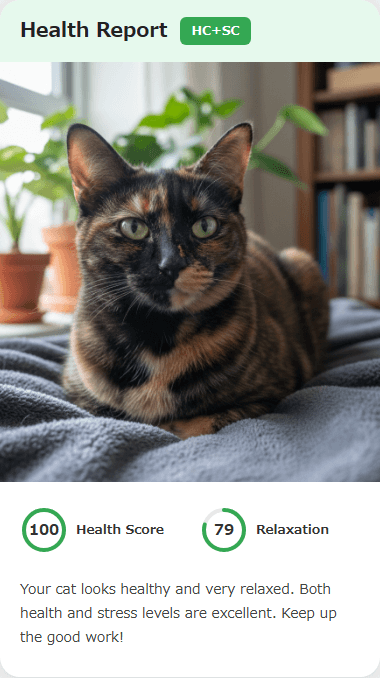

For senior cats, every day matters
Subtle changes can signal serious issues in older cats. CatsMe tracks behavior, appetite, and health scores so you can act fast.
Понад 380 000 власників котів у 50 країнах довіряють CatsMe


Choosing the Right Food for Your Senior Cat
Food Selection by Age Group
7-10 years (Early Senior)
- Lower-calorie "senior" formulas
- Kidney-friendly (low phosphorus, moderate protein)
- Joint-support ingredients (glucosamine, EPA/DHA)
- L-carnitine (supports fat metabolism)
11+ years (Super-Senior)
- High-quality, easily digestible protein in sufficient quantities
- Slightly higher calorie content (to prevent weight loss)
- Phosphorus-restricted for kidney support
If Your Cat Has a Chronic Condition
- Kidney disease: Vet-prescribed renal support diets
- Diabetes: High-protein, low-carbohydrate prescription food
- Hyperthyroidism: Consider iodine-restricted diets
What to Look for on the Label
- First ingredient should be a named meat or fish
- Labeled as "complete and balanced nutrition"
- Meets AAFCO standards
- Minimal unnecessary additives (artificial colors, BHA/BHT)
Always switch to a therapeutic diet under veterinary supervision.
Feeding Tips & Precautions for Senior Cats
How to Feed
- Small, frequent meals: Divide food into 2-4 portions per day to reduce digestive strain
- Warm the food: Slightly warming wet food releases aroma and stimulates appetite
- Elevated bowls: Use a raised feeder so the cat does not need to lower its neck
- Quiet location: Feed away from other cats or dogs in a calm spot
Hydration Strategies
- Add a splash of lukewarm water to dry food
- Make wet food the primary diet (70-80% moisture)
- Introduce a water fountain
- Place water bowls in multiple locations
When Appetite Drops
- Rotate food brands or flavors
- Check for dental issues (periodontal pain can prevent eating)
- Try liquid or paste diets
- Use cat-safe food toppers or broth
Regular Weigh-Ins
Weight is a critical health barometer for senior cats. Weigh your cat once a month and see the vet if weight changes by more than 5% in a single month. Rapid weight loss may signal thyroid disease or diabetes.
Step-by-Step Guide to Managing Your Senior Cat's Diet
Managing a senior cat's diet effectively requires a structured plan that evolves with the cat's changing needs. These five steps provide a practical framework.
Step 1: Assess Current Nutritional Status
Have your veterinarian evaluate body weight, body condition score (BCS), and muscle mass. Blood work during routine checkups reveals kidney function and thyroid status, both of which directly influence dietary requirements.
Step 2: Choose an Age-Appropriate Food
For cats aged 7-10, select a lower-calorie senior formula. For cats 11 and older, prioritize easily digestible, high-quality protein that supports muscle maintenance. If a chronic condition is present, transition to a vet-prescribed therapeutic diet.
Step 3: Transition Gradually
Switch foods over one to two weeks by gradually increasing the proportion of new food mixed with the old. Sudden changes stress the digestive system and can cause vomiting or diarrhea in sensitive senior cats.
Step 4: Optimize the Feeding Environment
Use raised food bowls to reduce neck strain, and feed in a quiet area away from household traffic. Senior cats with arthritis may find it painful to bend down to floor-level dishes.
Step 5: Monitor Regularly
Weigh the cat once a month and schedule blood work every three to six months to track organ function and nutritional status over time. Adjust food type and portion size based on test results rather than guesswork.
Common Mistakes in Senior Cat Nutrition
Well-intentioned dietary decisions can backfire when they are based on common misconceptions about senior cat nutrition.
Mistake 1: Continuing to Feed Adult Cat Food
Senior cats have distinct needs — lower phosphorus, joint support, and highly digestible protein — that adult formulas do not address. Begin exploring senior food options around age seven.
Mistake 2: Restricting Protein Excessively
The notion that all senior cats need less protein is outdated. Unless kidney disease has been diagnosed, senior cats actually benefit from ample high-quality protein to maintain muscle mass and prevent sarcopenia.
Mistake 3: Blaming Appetite Loss on Old Age
Decreased appetite in a senior cat can signal dental disease, kidney disease, or hyperthyroidism. Never dismiss it as a normal part of aging — have your vet investigate.
Mistake 4: Self-Prescribing Supplements
Glucosamine and omega-3 fatty acid supplements can be beneficial, but dosage and product selection should be guided by your veterinarian. Excessive supplementation can cause harm.
Mistake 5: Neglecting Hydration
Senior cats are more prone to dehydration and face elevated kidney disease risk. Prioritize wet food as the dietary base and install water fountains to encourage drinking.
When to See a Vet About Your Senior Cat's Diet
Knowing when to seek veterinary advice about your senior cat's diet prevents nutritional problems from escalating into medical emergencies.
See a Vet Immediately If
The cat experiences rapid weight loss (more than 5 percent of body weight in a single month), goes without eating for two or more days, drinks water excessively (polydipsia and polyuria are signs of kidney disease or diabetes), suffers persistent vomiting or diarrhea, or gains weight suddenly.
Schedule a Consultation If
You are planning to change food brands or formulas, you want to transition from a prescription diet back to regular food, you are considering adding supplements, or the cat's weight is trending gradually up or down.
What Blood Work Reveals
Routine blood panels measure kidney markers (BUN, creatinine, SDMA), liver function, thyroid hormone levels, and blood glucose. Optimizing the diet based on these results is the key to keeping a senior cat healthy and comfortable for as long as possible.
Nutritional Counseling
Some veterinary clinics offer dedicated nutritional counseling sessions. A customized feeding plan tailored to your senior cat's specific health profile is far more effective than a one-size-fits-all approach.
Prevention & Long-Term Nutritional Strategy for Senior Cats
Long-term nutritional success for a senior cat depends on adaptability — adjusting the diet as the cat's body and health profile evolve over time.
Stage-Based Adjustments
From ages 7 to 10, focus on calorie management and obesity prevention while introducing joint-support nutrients. From 11 to 14, shift emphasis to highly digestible protein and phosphorus restriction to protect the kidneys. At 15 and beyond, maintaining body weight becomes the top priority — slightly higher calories delivered in small, frequent meals.
Protecting Kidney Health Through Diet
Chronic kidney disease is the most common age-related condition in cats. Choose food with restricted phosphorus and sodium levels, adequate high-quality protein, and high moisture content. Hydration and kidney health are inextricably linked.
Preserving Muscle Mass
Sarcopenia — age-related muscle loss — affects virtually all senior cats. Combat it with sufficient animal-based protein and regular, gentle exercise that keeps the cat moving without stressing arthritic joints.
The Connection Between Oral Health and Nutrition
Dental disease directly impacts food intake. Regular dental checkups and treatment ensure your cat can eat without pain, which is fundamental to maintaining proper nutrition throughout the senior years.
The Owner's Mindset
Senior nutrition is not a set-and-forget decision. It is an ongoing process of observation, testing, and adjustment in partnership with your veterinarian. Embrace the iterative nature of the process, and your cat will benefit from a comfortable, well-nourished old age.
Чи зможете ви відповісти: «Коли це почалося?»
Коли ветеринар запитає, не залишайтесь без відповіді. CatsMe автоматично веде щоденний журнал здоров'я, яким можна поділитися одним дотиком.
シニア猫栄養管理食事フード選び高齢猫
FAQ
 CatsMe
Будьте готові діяти, щойно відчуєте неладне
Достатньо одного фото: ШІ зчитує біль і стан здоров'я з виразу морди кота. Перевірте в момент тривоги й поділіться записами з ветеринаром.