Symptoms2026-03-13Carelogy編集部

Cat Shaking or Trembling: 7 Causes from Cold to Serious Illness

Why is your cat trembling? Learn 7 causes of shaking in cats, from cold and fear to pain, hypoglycemia, and neurological conditions. Vet-supervised guide.

Key Takeaway: Trembling for 15+ Minutes or with Other Symptoms Needs Vet Care

Cat trembling ranges from completely harmless temporary causes to urgent medical conditions requiring immediate attention. OK to monitor (likely harmless): - Trembling that stops once the cat is moved to a warmer location - Shaking only during or immediately after stressful events (thunderstorms, vet visits, unfamiliar guests) that resolves once the cat calms down - Twitching during sleep — this is normal REM sleep activity, not trembling See a vet immediately if: - Trembling lasts more than 15 minutes without an obvious cause - Accompanied by vomiting, lethargy, or loss of appetite - Wobbly or uncoordinated walking (ataxia) - Full seizure activity — body stiffening, loss of consciousness, involuntary urination

7 Causes of Trembling in Cats

1. Cold (hypothermia) A cat's normal body temperature is 38.0-39.2°C (100.4-102.5°F). Trembling begins when body temperature drops below 37°C (98.6°F). Kittens, senior cats, and hairless or short-haired breeds (like Sphynx and Siamese) are especially vulnerable to cold. 2. Fear & stress Thunderstorms, fireworks, veterinary visits, vacuum cleaners, and unfamiliar people can trigger fear-based trembling. This is often accompanied by hiding behavior, flattened ears, and dilated pupils. 3. Pain Cats are experts at hiding pain, but trembling is one of the body's involuntary pain responses that they cannot fully suppress. Common painful conditions include cystitis (bladder inflammation), arthritis, traumatic injuries, and abdominal pain. If your cat flinches or cries when a specific body area is touched, this strongly suggests pain. 4. Hypoglycemia (low blood sugar) Most common in young kittens and cats receiving insulin for diabetes. The classic presentation is lethargy + trembling + unsteady walking. This is an emergency. Apply a small amount of honey or sugar syrup to the gums and go to the vet immediately. 5. Fever When an infection or inflammatory condition pushes body temperature above 40°C (104°F), the body responds with chills and shivering — just like in humans. Check our guide on recognizing cat fever for more details. 6. Kidney disease & uremia When advanced chronic kidney disease allows toxins to accumulate in the bloodstream (uremia), muscle tremors and twitching result. In senior cats, the combination of increased thirst, frequent urination, and trembling is a red flag for kidney disease. 7. Neurological conditions Brain tumors, vestibular disease (inner ear disorder), and pre-seizure activity can all manifest as trembling. Key warning signs that point to neurological involvement: head tilting to one side (torticollis), rapid involuntary eye movements (nystagmus), or loss of balance. These require urgent veterinary evaluation.
CatsMe

Ti accorgeresti se qualcosa non va?

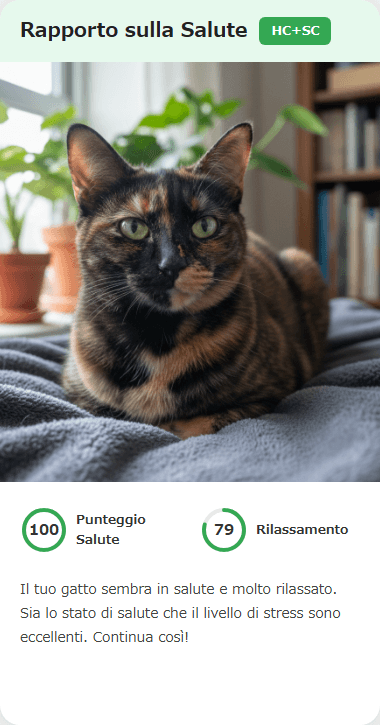
I gatti nascondono il dolore per istinto. L'IA di CatsMe legge segnali sottili nell'espressione facciale per trasformare il tuo sospetto in rilevamento precoce.

Oltre 230.000 proprietari di gatti in 50 paesi si affidano a CatsMe

Home Care & Decision Guide

If cold is the cause: - Provide warm blankets or a pet-safe heating pad (never use human heating pads — they can cause burns) - Maintain room temperature at 23-26°C (73-79°F) - For kittens: use a hot water bottle wrapped in a towel — never place it directly against the skin If fear or stress is the cause: - Guide your cat to a quiet, dimly lit room where they feel safe - Do not pick up or restrain a frightened cat — this often escalates panic and may result in scratching or biting - Consider Feliway (synthetic feline facial pheromone) diffusers to create a calming environment Decision flowchart for trembling: 1. Does the trembling stop within 15 minutes? + Is the cause clear (cold/fear)? → Monitor at home 2. Trembling lasts 15+ minutes → Take your cat's temperature with a rectal thermometer 3. Temperature below 37°C (98.6°F) → Keep the cat warm and visit the vet (hypothermia) 4. Temperature above 40°C (104°F) → Fever confirmed — visit the vet 5. Temperature is normal but trembling continues → Suspect pain, neurological issue, or metabolic disorder — visit the vet The CatsMe app helps you track daily health scores, making it easy to identify whether trembling episodes are isolated or part of a pattern linked to other symptoms.

Veterinary Tests & Expected Costs

Tests to determine the cause of trembling: - Physical exam & temperature check (included in consultation, ¥1,000-3,000 / $8-25) — First checks for temperature abnormalities and locates painful areas through palpation - Blood work (¥5,000-10,000 / $40-80) — Blood glucose (rules out hypoglycemia), kidney function, thyroid hormones, and inflammatory markers - Urinalysis (¥2,000-3,000 / $16-25) — Screens for kidney disease and diabetes - X-ray (¥5,000-10,000 / $40-80) — Checks for fractures, joint abnormalities, and chest (heart/lung) issues - Neurological exam (included or up to ¥5,000) — Reflexes, pupil responses, and gait evaluation - MRI/CT scan (¥50,000-100,000 / $400-800) — When brain tumors or spinal cord issues are suspected Treatment cost estimates: - Hypoglycemia → IV fluids + oral glucose: ¥5,000-15,000 - Pain (cystitis/arthritis) → Pain medication + cause treatment: ¥10,000-30,000 - Epilepsy → Long-term anti-seizure medication: ~¥3,000-5,000/month You can start with an online consultation by sending a video of the trembling episode.

Detect Changes Early with CatsMe Health Monitoring

A single trembling episode is often harmless, but increasing frequency or trembling combined with other symptoms can signal a serious condition. The challenge is that most owners can't accurately recall when symptoms started or how often they occur. How CatsMe solves this: - AI facial expression analysis automatically detects signs of pain and discomfort — captures subtle changes in eye squinting, ear position, and mouth tension that humans typically miss - Health score timeline — Visualize trends like 'scores have been gradually declining over the past 2 weeks' with clear numerical data - Multi-symptom correlation — Discover that trembling, decreased appetite, and increased water consumption are all occurring in the same timeframe - Vet-ready reports — Provide your veterinarian with precise data: when symptoms started, how frequently they occur, and what other changes have been observed For owners of senior cats (7+ years), consistent daily health tracking is the single most important habit for early disease detection. Try CatsMe now →
CatsMe

Sapresti rispondere "da quando sta così?"

Quando il veterinario chiede, non restare senza risposta. CatsMe registra automaticamente i punteggi di salute giornalieri che puoi condividere con un tocco.

震えブルブル痛み低血糖神経疾患猫の病気

FAQ

CatsMe

Sii pronto ad agire nel momento in cui senti che qualcosa non va

Stai leggendo questo perché la salute del tuo gatto ti sta davvero a cuore. Con CatsMe, puoi avviare un controllo sanitario con IA nell'istante in cui nasce la preoccupazione.