

Seizures Are an Emergency — If One Lasts Over 5 Minutes, Rush to the ER
A seizure in a cat is a sudden episode of abnormal electrical activity in the brain that causes involuntary muscle movements — stiffening, paddling, twitching, or loss of consciousness. Most seizures stop on their own within one to three minutes. However, a seizure lasting more than five minutes — known as status epilepticus — poses a severe risk of brain damage and can be fatal.
When you witness a seizure, immediately note the time it started and begin recording video on your phone. If the seizure exceeds five minutes, head to an emergency veterinary hospital without waiting for it to end. This timeline is critical information for the veterinary team.
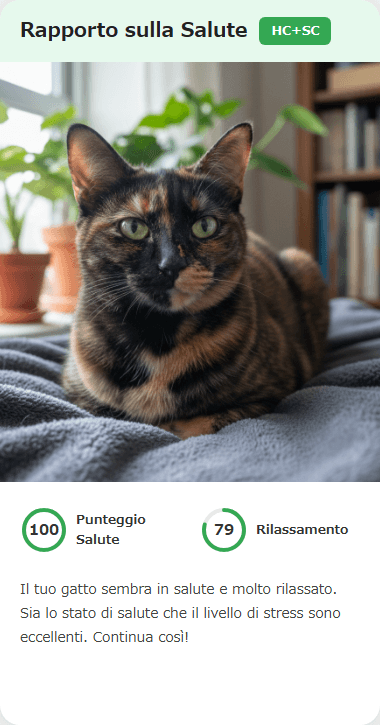

Questi sintomi ti preoccupano?
Non restare nel dubbio. L'IA di CatsMe analizza la foto del tuo gatto e rileva segnali di allarme in pochi secondi.
Oltre 380.000 proprietari di gatti in 50 paesi si affidano a CatsMe


Common Causes of Seizures in Cats
Idiopathic epilepsy. Recurrent seizures with no identifiable structural brain abnormality. Epilepsy is less common in cats than in dogs and is diagnosed only after other causes have been ruled out.
Structural brain disease. Brain tumors, encephalitis (caused by FIP, toxoplasmosis, or other infections), traumatic brain injury, and stroke can all trigger seizures.
Metabolic disorders. Low blood sugar, low blood calcium, liver disease (hepatic encephalopathy), kidney disease (uremia), and hyperthyroidism can affect brain function enough to cause seizures.
Poisoning. Organophosphate pesticides, pyrethrin-based insecticides (toxic to cats), lily plants, ethylene glycol (antifreeze), and certain essential oils are common culprits.
Hypertension. High blood pressure secondary to kidney disease or hyperthyroidism can damage the brain and provoke seizures.
First Aid During a Seizure: What to Do and What Not to Do
What to do:
1. Stay calm and note the time — knowing how long the seizure lasts is critical for diagnosis
2. Record video on your smartphone — this is extremely valuable for the veterinarian
3. Clear the area around your cat of sharp furniture edges, stairs, or other hazards
4. Speak softly and reassuringly to your cat
5. Dim the lights and minimize noise to reduce sensory stimulation
What NOT to do:
- Do not put your fingers or any object in the cat's mouth — cats do not swallow their tongues during seizures, and you risk a serious bite wound
- Do not restrain the body — holding a seizing cat down can cause fractures or dislocations
- Do not try to give water — this creates a serious aspiration risk
Post-Seizure Recovery and When to Seek Emergency Care
After a seizure, cats commonly enter a post-ictal phase — a temporary state of confusion, unsteady walking, ravenous hunger, or excessive clinginess. This is a normal recovery response and typically resolves within minutes to a few hours.
Situations that require emergency care:
- The seizure lasted more than five minutes
- Two or more seizures occurred within 24 hours (cluster seizures)
- The cat has not regained consciousness after the seizure or has stopped breathing
- It was the cat's first-ever seizure
- The cat may have been exposed to a toxic substance (lilies, pesticides, antifreeze, etc.)
A first seizure should always be followed by a veterinary workup to identify the underlying cause, even if the cat appears to recover fully.
What Tests Will the Vet Run & Costs
After a seizure, the veterinary team works to identify whether the cause is structural, metabolic, or toxic. The diagnostic workup is typically performed in stages.
Blood work (CBC, biochemistry, electrolytes): The essential first step. Detects low blood sugar, low calcium, kidney disease, liver disease, and electrolyte imbalances that can trigger seizures. Cost is approximately 5,000 to 12,000 yen ($35–85 USD).
Thyroid hormone testing: Recommended for cats over seven years old to check for hyperthyroidism, which can cause hypertension and secondary seizures. Cost is about 3,000 to 5,000 yen ($20–35 USD).
Blood pressure measurement: High blood pressure from kidney disease or hyperthyroidism can damage the brain and trigger seizures. Cost is typically 1,000 to 3,000 yen ($7–20 USD).
FIV and FeLV testing: These viral infections can predispose to brain-affecting conditions. Cost is approximately 3,000 to 5,000 yen ($20–35 USD).
MRI (brain imaging): The gold standard for identifying structural brain disease — tumors, inflammation, stroke, or malformation. Requires general anesthesia and referral to a specialty center. Cost ranges from 50,000 to 100,000 yen ($350–700 USD).
Cerebrospinal fluid (CSF) analysis: Collected under anesthesia, usually alongside MRI. Detects brain infections (FIP, toxoplasmosis, fungal). Cost is approximately 10,000 to 20,000 yen ($70–140 USD).
An initial workup (blood work, blood pressure, thyroid) costs approximately 10,000 to 20,000 yen. Advanced diagnostics including MRI and CSF analysis can bring the total to 60,000 to 120,000 yen or more.
Age-Specific Risk Factors
Kittens (under 1 year): Seizures in kittens are most commonly caused by congenital brain malformations, infections (FIP, toxoplasmosis acquired in utero), poisoning (household chemicals, plants), or hypoglycemia from insufficient feeding. Any seizure in a kitten is considered urgent and warrants same-day veterinary evaluation.
Young adult cats (1–6 years): Idiopathic epilepsy is most commonly diagnosed in this age range — it is a diagnosis of exclusion, made only after metabolic and structural causes have been ruled out. Toxin exposure also remains a significant cause, as curious young cats are more likely to chew on plants or encounter household chemicals.
Middle-aged to senior cats (7 years and older): Structural brain disease becomes the leading concern. Brain tumors (meningioma is the most common) account for a significant proportion of new-onset seizures in older cats. Metabolic causes — kidney disease (uremia), hyperthyroidism with secondary hypertension, and liver failure (hepatic encephalopathy) — also increase with age. A first seizure in a cat over seven years old almost always warrants advanced imaging (MRI) to rule out a treatable brain tumor.
At any age, a seizure that occurs for the first time should be followed by a thorough veterinary workup. Even if the cat appears to recover completely, the underlying cause must be identified to prevent future episodes and protect brain health.
Prevention Tips
While idiopathic epilepsy and brain tumors cannot be prevented, many seizure triggers are avoidable, and proactive management reduces the frequency and severity of episodes.
Eliminate toxins from the home: Remove all lily plants — every part is fatally toxic to cats. Store household chemicals, pesticides, and essential oils out of reach. Pyrethrin-based insecticides marketed for dogs are highly toxic to cats and a common cause of seizures.
Maintain regular anti-epileptic medication: For cats diagnosed with epilepsy, phenobarbital or levetiracetam (Keppra) are commonly prescribed. Consistent daily dosing at the same times is critical — missed doses or abrupt discontinuation can trigger breakthrough seizures. Never adjust dosages without veterinary guidance.
Manage underlying diseases: Controlling kidney disease, hyperthyroidism, and blood pressure reduces the risk of metabolically-triggered seizures. Regular monitoring with blood work and blood pressure checks is essential.
Reduce stress: Stress can lower the seizure threshold. Maintain a predictable routine, provide environmental enrichment, and minimize sudden changes to the home environment.
Keep a seizure diary: Record the date, time, duration, and nature of every seizure episode. Note any potential triggers (stressful events, missed medication, dietary changes). Share this log with your veterinarian to optimize treatment. The CatsMe app is ideal for this kind of daily health tracking.
Emergency preparedness: Know the location and phone number of your nearest 24-hour emergency animal hospital. Keep your vet's emergency contact information visible at home.
Discuss Your Cat's Seizure with Carelogy's Online Vet
Once your cat has recovered and is calm, an online veterinary consultation is ideal for answering questions like "What should I have done differently?" and "Does my cat need to go to the hospital?" The vet can review your video, assess the seizure type and severity, and help you create an action plan for future episodes.
However, if a seizure is currently in progress, has lasted over five minutes, or your cat is unconscious, skip the online consultation and go directly to an emergency animal hospital. Online consultations are best suited for post-seizure evaluation and long-term planning.
Sapresti rispondere "da quando sta così?"
Quando il veterinario chiede, non restare senza risposta. CatsMe registra automaticamente i punteggi di salute giornalieri che puoi condividere con un tocco.
けいれん痙攣てんかん発作緊急
FAQ
 CatsMe
Sii pronto ad agire nel momento in cui senti che qualcosa non va
Basta una foto: l'IA legge dolore e condizioni di salute dall'espressione del tuo gatto. Controlla nel momento in cui ti preoccupi e condividi il diario con il veterinario.