

Key Takeaway: If Your Cat Hasn't Urinated in 12+ Hours, Go to the Emergency Vet NOW
Urinary blockage in cats is a life-threatening emergency that can cause kidney failure and cardiac arrest within 24-48 hours. Male cats are at approximately 10x higher risk due to their narrow, long urethra.
Check immediately:
- Repeatedly going to the litter box but producing no urine → Emergency
- Crying or straining in the litter box → Emergency
- No urination for 12+ hours → Go to the vet NOW
- Vomiting combined with inability to urinate → Life-threatening
- Lethargy combined with inability to urinate → Risk of cardiac arrest
Urinary blockage is a race against time. "I'll go to the vet tomorrow morning" may be too late. Contact an emergency animal hospital even in the middle of the night.

Worried about these symptoms?
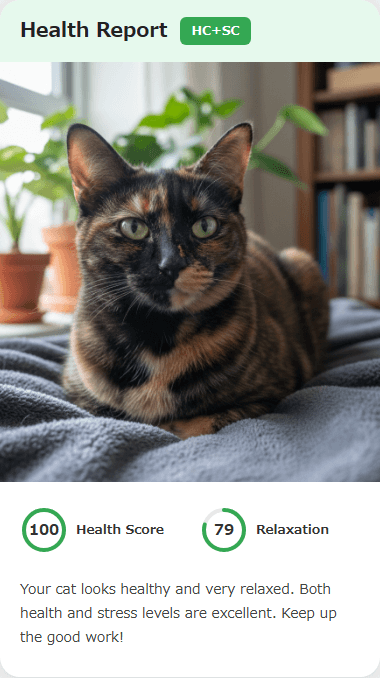
Don't wait and wonder. CatsMe's AI analyzes your cat's photo to flag health concerns in seconds.
50 ülkede 380.000'den fazla kedi sahibi CatsMe'ye güveniyor


Causes of Urinary Blockage & Symptom Progression
Main causes of urinary blockage:
- Urethral plugs (mucus, crystals, and protein aggregates) — Most common
- Struvite stones (magnesium ammonium phosphate) — Related to FLUTD
- Calcium oxalate stones — Cannot be dissolved; may require surgery
- Urethral spasm (stress-related) — Triggered by stress
- Tumors (rare)
Symptom progression timeline:
0-6 hours (early):
- Frequent litter box visits (similar to frequent urination but no urine is produced)
- Small drops of urine or blood in urine
- Excessive licking of the genital area
6-12 hours (moderate):
- Straining attempts become intense (crying, visible effort)
- Bladder becomes distended (abdomen feels hard when touched)
- Appetite loss
12-24 hours (dangerous):
- Vomiting begins
- Lethargy develops
- Body temperature drops
24-48 hours (fatal):
- Kidney failure (uremia) → Hyperkalemia → Cardiac arrest
Treatment Process & Costs
Emergency treatment process:
1. Stabilization (upon arrival)
- Blood work (kidney function, electrolytes, potassium levels)
- If hyperkalemia is present → IV fluids to lower potassium (prevents cardiac arrest)
- Pain medication administered
2. Catheterization (under sedation)
- A catheter is passed through the urethra to relieve the blockage
- Bladder flushed with sterile saline
- Catheter left in place for 24-72 hours (prevents re-obstruction)
3. Hospitalization (2-5 days)
- IV fluid therapy to restore kidney function
- Normalize electrolyte balance
- Catheter removed after confirmed normal urination
Cost estimates:
| Item | Cost |
|------|------|
| Emergency exam + blood work | ¥10,000-20,000 |
| Catheterization (including sedation) | ¥20,000-40,000 |
| Hospitalization (2-5 days) | ¥30,000-80,000 |
| Total | ¥60,000-150,000 |
| After-hours emergency surcharge | +¥20,000-50,000 |
If surgery is needed for recurrence (perineal urethrostomy): ¥100,000-250,000
Pet insurance is strongly recommended.
Home Care & Practical Tips for Urinary Health
After treatment for urinary blockage, home care to prevent recurrence becomes a lifelong commitment. The daily habits you establish now can literally save your cat's life in the future.
Strategies to increase water intake:
- Install a water fountain — many cats prefer moving water and will drink significantly more from a fountain than a still bowl
- Place water stations in multiple locations throughout your home (minimum 2 per cat)
- Increase the proportion of wet food in your cat's diet (wet food contains 70-80% moisture, compared to just 10% in dry kibble)
- Add warm water to dry food to create a gravy-like consistency
- Daily water intake target: approximately 50-60 ml per kilogram of body weight
Prescription diet management is non-negotiable:
- Continue urinary prescription diets such as Royal Canin Urinary S/O or Hill's c/d as directed by your veterinarian
- Never mix prescription food with regular commercial food — this dilutes the therapeutic effect and undermines the carefully balanced mineral composition
- Use only treats from the same prescription diet brand to maintain consistency
- Any diet changes must be discussed with your veterinarian first
Stress management is medically important, not optional:
Feline lower urinary tract disease is strongly linked to stress, making environmental enrichment a medical necessity.
- Install Feliway diffusers (synthetic feline pheromone) in rooms where your cat spends the most time
- Optimize litter box conditions: provide one box per cat plus one extra, place them in quiet locations, and ensure boxes are large enough for comfortable use
- Schedule 15-20 minutes of interactive play daily to reduce anxiety and promote physical activity
- Minimize environmental disruption — be especially cautious during moves or household changes
Daily litter box monitoring checklist:
- Urination frequency check (2-4 times per day is normal for most cats)
- Urine color assessment (normal is clear to pale yellow)
- Urine volume evaluation (watch for unusually small amounts)
- Check for urination outside the litter box
- Note if the cat sits in the box for prolonged periods without producing urine
What the Vet Will Do: Detailed Examination Process
When a cat arrives at the veterinary clinic with a suspected urinary blockage, the veterinarian follows a systematic protocol to stabilize the patient first, then identify and resolve the underlying cause. Understanding this process helps you prepare for what to expect.
Initial assessment upon arrival (triage):
- Vital signs check including temperature, heart rate, and respiratory rate
- Bladder palpation to determine if the bladder is firm and distended (a hallmark finding in blockage)
- Dehydration assessment through skin tent response and gum color and moisture evaluation
- Consciousness level and overall alertness evaluation
Blood work reveals critical information:
- BUN/Creatinine: Kidney function markers that spike rapidly when urine cannot drain. Elevated levels indicate the kidneys are being damaged by back-pressure
- Potassium levels: Hyperkalemia (elevated potassium) poses an immediate risk of cardiac arrest and is treated as the highest emergency priority
- Phosphorus: Elevation signals serious kidney damage that may require extended recovery
- Blood pH: Assesses metabolic acidosis, a life-threatening complication of prolonged blockage
Potassium danger scale:
| Potassium level | Status | Response |
|----------------|--------|----------|
| 3.5-5.5 mEq/L | Normal | Monitor |
| 5.5-7.0 mEq/L | Mild elevation | IV fluid correction |
| 7.0-8.5 mEq/L | Dangerous | Emergency treatment + ECG monitoring |
| Above 8.5 mEq/L | Life-threatening | Immediate intensive care |
Imaging studies:
- Radiographs (X-rays) identify the presence and location of urinary stones
- Ultrasound evaluates bladder wall thickness, crystal sediment, and ureteral dilation
Hospitalization management includes:
- Continuous IV fluid therapy to normalize electrolytes and flush the kidneys
- Indwelling catheter management with bladder flushing 2-3 times daily
- Pain management using opioid analgesics such as buprenorphine to keep the cat comfortable
- Post-catheter removal trial to confirm the cat can urinate independently before discharge
Age-Specific & Breed-Specific Risks and Prevention
Urinary blockage risk varies significantly by age, breed, and body condition. Accurately understanding where your cat falls on the risk spectrum is the foundation of effective prevention.
Age-related risk patterns:
- Male cats aged 1-5 years: The highest-risk demographic for urinary blockage. Stress-related feline lower urinary tract disease (FLUTD) is the predominant cause in this age group
- Ages 6-10: Stone formation risk increases as cats age, and urinary tract infections become more common as a contributing factor
- Ages 10 and above: Watch for urinary changes related to chronic kidney disease, which alters urine concentration and composition. Tumors causing physical obstruction also become a concern in geriatric cats
Breed-specific predispositions:
- Persian: Higher incidence of calcium oxalate stones compared to other breeds
- Himalayan: Stone formation risk approximately 2-3 times that of the general cat population
- Siamese: Elevated risk for certain stone types requiring specific dietary management
- Scottish Fold: Genetic predisposition warrants proactive monitoring
Body condition strongly influences risk:
- Overweight cats face 2-3 times the urinary disease risk of cats at a healthy weight
- Neutered male cats retain their narrow urethra, meaning the physical predisposition to blockage remains even after the hormonal benefits of neutering take effect
- Proactive weight management is one of the most impactful preventive measures available
Long-term recurrence prevention schedule:
1. First 2 weeks post-discharge: daily litter box monitoring + veterinary recheck
2. Months 1-3: monthly urinalysis to monitor crystal formation and urine pH
3. Months 3-12: urinalysis and blood work every 3 months to track kidney function recovery
4. Beyond 1 year: biannual veterinary checkups with urinalysis
5. Prescription diet and hydration management must continue for life — there is no point at which it becomes safe to stop these measures
Monitor Urination Patterns Daily with CatsMe
Many urinary blockages can be prevented by catching warning signs early. Use the CatsMe app to record daily litter box habits.
What CatsMe can do for you:
- AI facial expression analysis detects urinary pain and discomfort early
- Litter box frequency & urine volume tracking — Quantify changes in frequency or output
- Symptom checker — Enter 'can't urinate' or 'crying in litter box' for immediate urgency assessment
- Vet-ready health reports — Share FLUTD recurrence prevention progress records with your vet in one tap
For male cats with a history of FLUTD, daily litter box monitoring is literally life-saving.
Try CatsMe now →
Veteriner "ne zamandan beri böyle?" diye sorsa cevap verebilir misiniz?
Veterinerde cevapsız kalmayın. CatsMe günlük sağlık puanlarını otomatik kaydeder ve tek dokunuşla paylaşmanızı sağlar.
尿閉尿道閉塞緊急オス猫膀胱結石カテーテル
FAQ
 CatsMe
Bir şeylerin yanlış olduğunu hissettiğiniz an harekete geçmeye hazır olun
Tek bir fotoğraf yeter: Yapay zekâ, kedinizin ifadesinden ağrıyı ve sağlık durumunu okur. Endişelendiğiniz anda kontrol edin, kaydı veterinerinizle paylaşın.