

The Breakthrough: Feline Viruses as Windows Into Human Cancer
In a landmark review published in Nature Reviews Cancer in 2026, Professor Julia Beatty and her research team presented a comprehensive analysis of how feline tumor viruses are providing critical insights into human oncogenesis — the process by which normal cells transform into cancer cells. The paper argues compellingly that studying cancer in cats is not merely a veterinary exercise but a powerful translational research approach that benefits human medicine.
Professor Beatty, a leading researcher in comparative oncology, describes feline tumor viruses as "natural windows into the mechanisms of cancer development." Unlike laboratory mouse models where cancer is artificially induced, cats develop cancers spontaneously through viral mechanisms that closely parallel those in humans. This makes feline cancer research uniquely valuable for understanding how viruses drive cancer in a natural biological context.
The review examines decades of research on feline leukemia virus (FeLV), feline immunodeficiency virus (FIV), and feline papillomaviruses, showing how each of these pathogens causes cancer through mechanisms that mirror human viral oncology. FeLV, for instance, causes lymphoma and leukemia in cats through insertional mutagenesis — the same mechanism by which certain human retroviruses contribute to cancer. FIV, the feline equivalent of HIV, leads to lymphoma in cats just as HIV increases lymphoma risk in humans.
This research matters beyond the laboratory. It has direct implications for how we understand, detect, and ultimately treat cancer in both cats and humans. For cat owners, it reinforces the importance of viral testing, vaccination, and early detection — measures that protect individual cats while contributing data that advances cancer research for everyone.
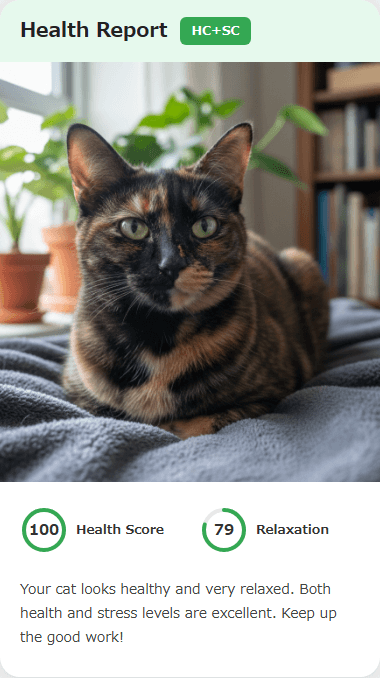

For senior cats, every day matters
Subtle changes can signal serious issues in older cats. CatsMe tracks behavior, appetite, and health scores so you can act fast.
Över 380 000 kattägare i 50 länder litar på CatsMe


How Cat Viruses Cause Cancer: FeLV, FIV, and Papillomavirus
Understanding how feline viruses cause cancer reveals striking parallels to human viral oncology — parallels that are now driving new research directions for both species.
Feline Leukemia Virus (FeLV) — Parallel to Human HTLV:
FeLV is a retrovirus that integrates its genetic material into the cat's DNA. When it inserts near genes that control cell growth (proto-oncogenes), it can activate those genes inappropriately, causing uncontrolled cell division — the hallmark of cancer. This process, called insertional mutagenesis, is the same mechanism by which human T-lymphotropic virus (HTLV) causes adult T-cell leukemia in humans. FeLV is the leading infectious cause of cancer death in cats, primarily causing lymphoma and various forms of leukemia. Studying FeLV has helped researchers understand how retroviruses hijack cellular growth controls.
Feline Immunodeficiency Virus (FIV) — Parallel to Human HIV:
FIV suppresses the cat's immune system over time, similar to how HIV weakens the human immune system. This immunosuppression creates an environment where cancers — particularly B-cell lymphoma — can develop and grow unchecked. The FIV-lymphoma connection in cats has been instrumental in understanding why HIV-positive humans have dramatically higher rates of non-Hodgkin lymphoma. Because FIV progresses over years (similar to HIV's timeline), cats with FIV serve as natural long-term models for studying immune-related cancer development.
Feline Papillomaviruses — Parallel to Human HPV:
Just as human papillomavirus (HPV) causes cervical and other cancers in humans, feline papillomaviruses have been linked to squamous cell carcinomas in cats, particularly in areas with less pigmentation. This parallel has strengthened the scientific understanding of how papillomaviruses transform normal epithelial cells into cancerous ones across species, contributing to the development of HPV vaccines that have prevented millions of human cancers.
What This Means for Cat Health: Better Understanding of Feline Cancers
The insights from Professor Beatty's review are not just academically interesting — they have direct, practical implications for how veterinarians approach cancer prevention, detection, and treatment in cats.
Improved understanding of feline lymphoma:
Lymphoma is the most common cancer in cats, and viral causes (particularly FeLV and FIV) account for a significant proportion of cases. The new research clarifies exactly which viral mechanisms lead to which types of lymphoma, which could eventually lead to more targeted treatments rather than the one-size-fits-all chemotherapy protocols currently used.
Better FeLV and FIV management:
Understanding the precise cancer pathways triggered by these viruses helps veterinarians provide better long-term care for infected cats. For FeLV-positive cats, knowing that the virus directly drives cancer through insertional mutagenesis means that regular cancer screening is not optional — it is essential. For FIV-positive cats, understanding the immune suppression pathway informs monitoring strategies and timing for interventions.
Potential new treatments on the horizon:
The comparative oncology approach highlighted in the review is already driving clinical trials that benefit both species. Immunotherapy approaches developed for human cancers are being tested in cats, and conversely, treatments tested in cats are informing human clinical trials. This "One Health" approach — recognizing that human, animal, and environmental health are interconnected — is accelerating cancer treatment development.
Vaccination takes on added importance:
The review reinforces that FeLV vaccination is one of the most effective cancer prevention tools available in veterinary medicine. By preventing FeLV infection, we are directly preventing a major cause of feline lymphoma and leukemia. This is analogous to how HPV vaccination prevents cervical cancer in humans.
Common Cancers in Cats and Early Detection
While the Nature Reviews Cancer paper focuses on virus-driven cancers, cat owners should be aware of all common feline cancers and the warning signs that warrant veterinary attention. Early detection dramatically improves treatment outcomes.
Most common cancers in cats:
1. Lymphoma — The most prevalent feline cancer. Can affect the gastrointestinal tract (most common in older cats), mediastinum (chest — more common in young FeLV-positive cats), or kidneys and nose. Signs include weight loss, vomiting, diarrhea, decreased appetite, and difficulty breathing.
2. Squamous cell carcinoma (SCC) — Often affects the mouth, ears, or nose. White and light-colored cats are at higher risk for UV-induced SCC. Signs include non-healing sores, facial swelling, difficulty eating, and drooling.
3. Mammary (breast) cancer — The third most common cancer in cats. Approximately 85-90% of feline mammary tumors are malignant (compared to about 50% in dogs). Spaying before 6 months of age reduces risk by 91%. Signs include lumps near the nipples that may be firm, irregular, or ulcerated.
4. Fibrosarcoma — An aggressive soft tissue cancer. Injection-site sarcomas (associated with vaccination sites) remain a concern, though they are rare (approximately 1 in 10,000 to 30,000 vaccinations). Any lump that persists for more than 3 months, is larger than 2 cm, or is growing should be biopsied.
5. Mast cell tumors — Can be cutaneous (skin) or visceral (internal organs, especially the spleen). Skin mast cell tumors in cats are often benign, unlike in dogs where they tend to be more aggressive.
The "3-2-1 rule" for lumps: Biopsy any lump that has been present for 3 months, is larger than 2 cm, or is growing 1 month after first discovery.
Home Care & Practical Tips: Supporting a Cat with Cancer
If your cat has been diagnosed with cancer, home care becomes an essential component of treatment alongside veterinary medical interventions. The quality of care you provide at home directly impacts your cat's comfort, treatment response, and quality of life.
Nutrition during cancer treatment:
- Cancer increases metabolic demands — many cats need higher-calorie, higher-protein diets during treatment
- Ask your veterinarian about cancer-specific nutritional support. Diets rich in omega-3 fatty acids and high-quality animal protein may support immune function and lean muscle maintenance
- Chemotherapy can cause temporary appetite suppression. Warm food slightly to enhance aroma, offer small frequent meals, and try different textures and flavors to find what appeals to your cat
- Adequate hydration is critical during chemotherapy — consider a water fountain and adding water to food
- Never start supplements without veterinary approval, as some can interfere with chemotherapy drugs
Pain management at home:
- Administer prescribed pain medications exactly as directed — do not skip doses or adjust amounts without consulting your vet
- Provide soft, warm bedding in quiet, easily accessible locations. Cats in pain may avoid jumping, so ensure favorite resting spots can be reached without effort
- Monitor pain indicators: reduced appetite, hiding, reluctance to move, changes in grooming, and facial expressions of discomfort — CatsMe's AI can help detect subtle facial changes associated with pain
- Never give human pain medications to cats. Acetaminophen (Tylenol) and ibuprofen are toxic and potentially fatal to cats, even in small doses
Emotional support matters:
- Maintain normal routines as much as possible — predictability reduces stress during uncertain times
- Continue gentle interactive play at your cat's pace. Even brief, gentle sessions provide mental stimulation and bonding
- Consider pheromone therapy (Feliway) to reduce ambient stress in the home
- Other cats in the household may sense the ill cat's vulnerability — monitor interactions and provide separate safe spaces if needed
Knowing when quality of life is declining:
Ask your veterinarian about quality-of-life scales that help you objectively assess whether your cat is comfortable. Key factors include appetite, mobility, hygiene, happiness, and the balance of good days versus bad days. CatsMe's daily health tracking creates an objective record that helps you and your vet make compassionate decisions when the time comes.
Age-Specific Cancer Risks and Screening Recommendations
Cancer risk in cats increases dramatically with age, but awareness of age-specific patterns enables earlier detection and better outcomes at every life stage.
Young cats (under 5 years) — Virus-driven cancers dominate:
- Mediastinal lymphoma (chest) is the most common cancer in young cats and is strongly associated with FeLV infection. Symptoms include difficulty breathing, exercise intolerance, and weight loss
- FeLV testing is the single most important cancer screening measure for young cats — a simple blood test provides results in minutes
- Vaccination against FeLV in kittenhood provides strong protection against virus-associated lymphoma and leukemia
- Injection-site sarcomas, while extremely rare (1 in 10,000-30,000 vaccinations), can occur in younger cats. Monitor vaccination sites and report any lump that persists beyond 3 months
Middle-aged cats (5-10 years) — Mixed risk profile:
- Intestinal lymphoma begins appearing in this age group and is now the most common form of lymphoma in middle-aged and older cats. Symptoms include chronic vomiting, diarrhea, weight loss, and decreased appetite
- Mammary tumors can develop in unspayed females at any age but risk increases significantly in this bracket. Regular belly palpation during petting catches tumps early
- Squamous cell carcinoma of the mouth becomes a concern. Watch for drooling, difficulty eating, facial swelling, or bad breath
- Baseline abdominal ultrasound at age 7-8 can detect internal masses before symptoms appear
Senior cats (10+ years) — Highest cancer incidence:
- Cancer is the leading cause of death in cats over 10, making regular screening essential rather than optional
- Intestinal lymphoma peaks in this group. A sudden change in digestive patterns in a senior cat warrants immediate veterinary investigation
- Comprehensive biannual wellness exams should include thorough palpation, blood work with protein electrophoresis, and periodic imaging
- Early detection makes the difference between treatable and terminal. Many feline cancers respond well to treatment when caught in early stages — survival times of 1-3 years are common with appropriate therapy
Screening schedule summary:
| Age | Recommended screening | Frequency |
|-----|----------------------|-----------|
| Under 5 | FeLV/FIV test, vaccination site monitoring | Annually |
| 5-10 | Physical exam + blood work + lump checks | Annually |
| 10+ | Full wellness panel + imaging as needed | Every 6 months |
Prevention & Long-Term Cancer Risk Management
While no strategy can eliminate cancer risk entirely, a multi-layered prevention approach based on current evidence can substantially reduce your cat's lifetime cancer risk and improve outcomes if cancer does develop.
Vaccination is cancer prevention:
The connection between FeLV and feline lymphoma and leukemia means that FeLV vaccination is, quite literally, a cancer vaccine. By preventing FeLV infection, you eliminate one of the most significant causes of cancer in cats. Ensure all kittens receive the FeLV vaccine series and that at-risk adult cats receive boosters as recommended by your veterinarian.
Spaying prevents mammary cancer:
Spaying female cats before their first heat cycle (typically by 5-6 months) reduces mammary cancer risk by approximately 91%. Even spaying after the first heat provides significant risk reduction compared to leaving a cat intact. Given that 85-90% of feline mammary tumors are malignant, this is one of the most impactful cancer prevention measures available.
Indoor living reduces exposure to carcinogens:
Keeping cats indoors eliminates exposure to UV radiation (which causes squamous cell carcinoma, especially in white and light-colored cats), reduces FIV transmission risk (which increases lymphoma incidence), and prevents contact with environmental carcinogens.
Weight management is cancer prevention:
Obesity is increasingly linked to cancer risk in cats, just as it is in humans. Maintaining your cat at a healthy body weight through portion control and regular exercise reduces chronic inflammation — a known driver of cancer development.
Environmental carcinogen awareness:
- Secondhand cigarette smoke significantly increases the risk of lymphoma and oral squamous cell carcinoma in cats. Cats groom smoke particles from their fur, concentrating carcinogens in their mouths and digestive tracts
- Some flea and tick products, household cleaners, and lawn chemicals have been investigated as potential cancer contributors. Use pet-safe products and minimize your cat's exposure to harsh chemicals
- Choose non-adjuvanted vaccines when available to reduce the already very low risk of injection-site sarcomas
The power of early detection through monitoring:
The earlier cancer is detected, the more treatment options are available and the better the prognosis. Monthly at-home checks — feeling for lumps, monitoring weight trends, noting appetite and energy changes — are simple habits that catch cancers in their earliest, most treatable stages. CatsMe makes this systematic by providing daily tracking, trend visualization, and alerts when patterns deviate from baseline.
What Cat Owners Can Do: Prevention, Monitoring & CatsMe
The connection between feline viruses and cancer underscores the power of prevention and early detection — two areas where cat owners play a crucial role.
Get your cat tested for FeLV and FIV:
All cats should be tested at least once in their lifetime, ideally as kittens. Cats that go outdoors, live with cats of unknown status, or are newly adopted should be tested regardless of age. A simple blood test at your veterinarian's office provides results in minutes.
Keep vaccinations current:
The FeLV vaccine is considered a core vaccine for kittens and at-risk adult cats. While no FIV vaccine is currently available in most markets, preventing FIV transmission through keeping cats indoors or in controlled environments remains the best strategy. Other vaccinations recommended by your vet help maintain overall immune health.
Schedule regular veterinary checkups:
For adult cats (1-10 years), annual wellness exams are the minimum. For senior cats (11+), twice-yearly exams with blood work are recommended. These visits catch cancers and other diseases in their earliest, most treatable stages.
Monitor your cat daily with CatsMe:
Cancer and viral diseases often announce themselves through subtle, gradual changes — a slight decrease in appetite, a little less energy during playtime, a small change in weight. These changes are easy to miss day to day but become clear when tracked over time. CatsMe helps you:
- Track weight trends — Unexplained weight loss is the number one early cancer sign in cats
- Log appetite and eating patterns — Changes in eating behavior can signal gastrointestinal lymphoma
- Record activity levels — Decreased activity may indicate pain or illness
- Store vaccination and test records — Keep FeLV/FIV test results and vaccination dates organized and accessible
- Generate vet reports — Share objective health trend data with your veterinarian
Your cat may be contributing to the fight against human cancer simply by existing. The least we can do in return is give them the best preventive care possible.
Start tracking your cat's health with CatsMe →
Kan du svara på "när började det här?"
När veterinären frågar, stå inte svarslös. CatsMe registrerar automatiskt dagliga hälsopoäng som du kan dela med en knapptryckning.
cat cancer research猫 がん 研究feline tumor virusFeLV cancerNature Reviews Cancer 2026
FAQ
 CatsMe
Var redo att agera i samma ögonblick du känner att något inte stämmer
En bild räcker: AI:n läser av smärta och hälsa i kattens ansiktsuttryck. Kontrollera i stunden du blir orolig och dela loggen med veterinären.